
Sodium intake guidelines for Australian adults
On this page
Australian adults should limit their sodium intake to less than 2,000 mg per day, which is approximately 5 grams or one teaspoon of salt. The NHMRC sets the Suggested Dietary Target at this level to reduce chronic disease risk across the Australian population.
What is the recommended salt intake Australia?
The National Health and Medical Research Council (NHMRC) defines the Adequate Intake for sodium as 460–920 mg per day for Australian adults (NHMRC, 2017). This range, equivalent to 20–40 mmol, is the amount required to meet basic physiological needs, such as maintaining fluid balance and nerve function. Most Australians easily exceed this amount through their daily nutrition approach.
To help lower the risk of chronic conditions like hypertension, a Suggested Dietary Target (SDT) of 2,000 mg of sodium per day has been established (NHMRC, 2022). This target is specifically designed for the Australian population to support long-term heart health. It is important to note that the Upper Level (UL) for sodium is 2,300 mg per day, beyond which health risks increase significantly.
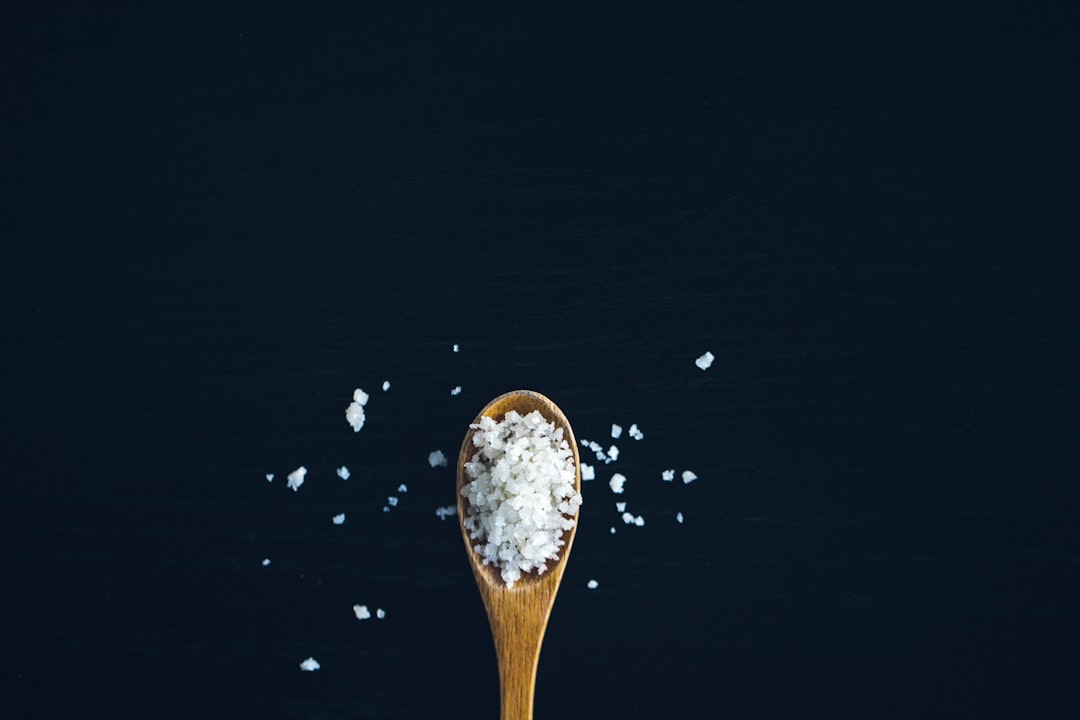
The Heart Foundation confirms that the 2,000 mg sodium limit is equivalent to approximately 5 grams of salt (Heart Foundation, 2024). For a practical visual, this is roughly one level teaspoon of salt. This total includes all salt consumed throughout the day, whether it is added at the table, used in cooking, or already present in packaged foods from AU supermarkets.
How does sodium and blood pressure relate?
High sodium intake is a primary driver of elevated blood pressure, which is a major risk factor for cardiovascular and kidney disease. The Better Health Channel notes that consuming more than 2,000 mg of sodium per day can lead to fluid retention (Better Health Channel, 2024). This extra fluid increases the pressure against artery walls, forcing the heart to work harder to pump blood.
Reducing salt intake can significantly lower both systolic and diastolic blood pressure readings. According to the Heart Foundation, lowering sodium is one of the most effective ways to decrease the risk of stroke and heart disease (Heart Foundation, 2024). Even small reductions in daily intake can lead to measurable improvements in vascular health for many Australian adults.
The World Health Organization (WHO) identifies sodium reduction as a global health priority. The WHO suggests that reducing salt intake to less than 5 grams per day could prevent 2.5 million deaths annually (WHO, 2023). In Australia, where heart disease remains a leading cause of death, following these guidelines is a core component of preventative healthcare.
What are the high sodium foods to avoid?
Approximately 75% of the salt in the Australian eating pattern comes from processed and packaged foods rather than the salt shaker. The Better Health Channel highlights that many people consume high levels of sodium without realising it (Better Health Channel, 2024). This is because salt is used extensively in food manufacturing for preservation, texture, and flavour enhancement.
Common high-sodium sources found in AU supermarkets include processed meats like ham and bacon, commercial sauces, and savoury snacks. For example, a single serve of some packaged soups or sauces can contain over 50% of the daily 2,000 mg limit. Bread and breakfast cereals also contribute significantly to the national intake due to the frequency with which they are consumed.
A 2018 study published in the Medical Journal of Australia indicates that salt consumption among adults remains consistently higher than recommended limits (MJA, 2018). The average intake is often estimated to be around 8 to 9 grams per day, nearly double the WHO maximum. This research shows there has been little evidence of a decline in national salt consumption over the last decade.
How to reduce salt in cooking?
Dietitians Australia recommends replacing salt with herbs, spices, lemon juice, or vinegar to enhance flavour. Using ingredients like garlic, ginger, chilli, or fresh coriander can provide a robust taste profile without increasing sodium levels (Dietitians Australia, 2024). This transition helps the palate become more sensitive to the natural flavours of whole foods over time.
Healthdirect suggests practical kitchen hacks such as rinsing canned vegetables and beans under cold water. This simple step can remove up to 40% of the sodium used in the canning liquid (Healthdirect, 2024). Choosing 'no added salt' versions of canned tomatoes or legumes at Coles or Woolworths is another effective strategy for reducing hidden sodium in home-cooked meals.
Gradually reducing added salt allows taste buds to adjust to lower levels, a process that usually takes several weeks. The Heart Foundation supports this gradual approach, noting that the preference for salty flavours is learned rather than innate (Heart Foundation, 2024). By slowly cutting back, you can maintain the enjoyment of your meals while supporting your cardiovascular health.
Can I find low sodium foods Australia?
When shopping in Australia, look for the 'No Added Salt' or 'Low Salt' labels on products. Food Standards Australia New Zealand (FSANZ) regulates these claims to ensure they meet strict criteria (FSANZ, 2024). A product labelled 'low salt' must contain no more than 120 mg of sodium per 100g, making it a reliable choice for those monitoring their intake.
Fresh fruits and vegetables are naturally low in sodium and are core components of the Australian Guide to Healthy Eating. These whole foods provide essential nutrients like potassium, which can help balance the effects of sodium on blood pressure. Incorporating more fresh produce into your daily coaching app meal logs is a simple way to stay within the 2,000 mg target.
The gold standard for identifying sodium is checking the Nutrition Information Panel (NIP) on the back of packaging. The Heart Foundation recommends comparing products based on the 'sodium per 100g' column (Heart Foundation, 2024). Choosing the option with the lowest sodium value per 100g ensures you are making the best choice regardless of the serving size listed by the manufacturer.
Related reading
Hydration for Active Adults Australia: A Complete Guide
Optimise your performance with evidence-based tips on hydration for active adults Australia, featuring fluid intake targets for exercise and recovery.
5 min read
Vitamin D for Australian Adults: Health Benefits & Food Sources
Optimise your bone health and muscle function by learning how to manage Vitamin D for Australian adults through safe sun exposure and nutritious food.
5 min read
Reading Food Labels in Australia: A Practical Guide
Master reading food labels in Australia to compare products accurately and choose nutrient-dense options that support your wellbeing using our coaching
5 min read
Healthy breakfast ideas for Australian adults: A Guide
Explore evidence-based healthy breakfast ideas for Australian adults to support your morning energy with high-fibre wholegrains and lean protein options.
5 min read
Need a hand with the app? What is Platify and how does the coaching work?
Get the Platify app
Build a meal plan around the foods you already like, log what you eat, and watch your progress. Free to start.
Get the appCitations
- [1]Nutrient Reference Values: Sodium, NHMRC (2017)
- [2]Salt and heart health, Heart Foundation (2024)
- [3]NRVs for Sodium, NHMRC (2022)
- [4]Salt, Better Health Channel (2024)
- [5]Sodium reduction, World Health Organization (2023)
- [6]Salt consumption in Australian adults, Medical Journal of Australia (2018)
- [7]Salt: the facts, Dietitians Australia (2024)
- [8]Salt, Healthdirect (2024)
- [9]Sodium and salt converter, Heart Foundation (2024)
Frequently asked
What is the sodium daily limit for Australian adults?
The recommended sodium daily limit for Australian adults is 2,000 mg, which is roughly 5 grams of salt. This target is set by the NHMRC to reduce the risk of chronic diseases such as heart disease and stroke.
How much salt is in one teaspoon?
One level teaspoon of salt contains approximately 2,000 mg of sodium, which represents the entire recommended daily maximum for an Australian adult according to Healthdirect and the Heart Foundation.
Why is salt intake high in Australia?
Research published in 2018 shows Australian salt intake is not declining, largely because processed foods contribute about 75% of the sodium in the national eating pattern. This makes it difficult for individuals to monitor intake without reading labels.
What is the difference between salt and sodium?
Sodium is a mineral found in salt (sodium chloride). While salt is 40% sodium and 60% chloride, Australian health guidelines like those from the Heart Foundation focus on the sodium component for managing blood pressure.
Is there an upper limit for sodium intake?
The NHMRC defines the Upper Level (UL) of sodium intake for adults as 2,300 mg per day. Consuming more than this amount is associated with an increased risk of adverse health effects, including hypertension.