
Meal Prep for Weight Loss Australia: A Dietitian-Backed Guide
On this page
- How does meal planning support healthy weight management?
- What are the best weight loss meal prep ideas for Australian kitchens?
- How does batch cooking for weight loss save time and money?
- Can I get enough nutrients from a structured meal plan?
- How should you store and reheat prepped meals safely?
- What are the essential tools for efficient preparation?
Organising your weekly meals in advance helps manage energy intake, with the National Health and Medical Research Council (NHMRC) highlighting that structured meal planning is a key strategy for achieving a healthy weight and maintaining consistent portion control.
How does meal planning support healthy weight management?
According to the Australian Eat for Health guidelines, planning mid-meal snacks and main meals in advance reduces reliance on convenience foods and supports consistent energy intake. When you have a structured eating plan ready, you bypass the decision fatigue that often leads to high-kilojoule takeaway choices during busy weeknights.
A study published by the Better Health Channel indicates that structured preparation helps individuals meet their daily recommended serves of vegetables. Currently, this target is achieved by only 8% of Australian adults. Increasing your vegetable intake provides essential dietary fibre, which promotes satiety and supports a healthy gut microbiome.
Pre-portioning ingredients using Australian standard metric cups and spoons prevents portion creep, a common barrier to achieving a calorie deficit. By measuring out 150-gram serves of lean protein or half-cup portions of cooked grains, you gain a clear understanding of your daily energy intake without relying on restrictive eating approaches.
What are the best weight loss meal prep ideas for Australian kitchens?
Incorporate lean proteins like Australian skinless chicken breast or kangaroo mince, which provide high satiety per kilojoule and support muscle maintenance. A standard 100-gram serve of cooked kangaroo mince provides over 20 grams of protein while remaining exceptionally low in saturated fat, making it an ideal choice for Australian kitchens.
Utilise seasonal Australian vegetables such as zucchini, capsicum, and pumpkin from local markets to add volume and essential micronutrients without excess energy. Roasting a large tray of these vegetables with a light spray of olive oil allows you to easily distribute them across your weekly lunch containers.
Prepare high-fibre carbohydrate bases like brown rice or quinoa, aiming for the NHMRC recommended daily grain intake of 4 to 6 serves for adults. According to the NHMRC sample meal plan for women, incorporating whole grains ensures sustained energy levels throughout the day and prevents mid-afternoon energy slumps.
For breakfast meal prep, overnight oats made with traditional rolled oats and low-fat Australian milk or soy beverage can be portioned into jars. Top each jar with 20 grams of raw almonds and a handful of fresh blueberries for a portable, high-fibre morning meal that supports your weight management goals.
How does batch cooking for weight loss save time and money?
Preparing large quantities of staple dishes like lentil dahl or vegetable-loaded bolognese allows you to buy ingredients in bulk from Australian supermarkets like Coles or Woolworths. Purchasing 1-kilogram bags of dry brown lentils or family packs of lean beef mince significantly lowers your overall weekly grocery spend.
CSIRO research suggests that having pre-prepared, healthy meals in the freezer significantly reduces the likelihood of ordering high-kilojoule takeaway meals during busy weeknights. A single batch of vegetable-loaded bolognese can yield six to eight individual portions, providing a quick, nutritious dinner option in under five minutes.
Portioning and freezing batch-cooked meals immediately after cooling helps preserve water-soluble vitamins and prevents food waste, aligning with national sustainability goals. This practice ensures you always have access to portion-controlled options, making it easier to stick to your nutrition approach even when your schedule becomes unpredictable.
Can I get enough nutrients from a structured meal plan?
The NHMRC sample meal plan for Australian women aged 19 to 50 years demonstrates how to structure 2.5 serves of dairy, 5 serves of vegetables, and 2 serves of fruit daily. This template is designed for women of average height, healthy weight, and light activity levels, ensuring nutritional adequacy.
Dietitians Australia recommends rotating your protein sources and vegetable varieties across your weekly prep to ensure a diverse gut microbiome. Instead of preparing the same chicken and broccoli dish every week, alternate between lean beef, tofu, canned salmon, and a colourful array of seasonal vegetables.
Using the Australian Dietary Guidelines as a framework ensures you meet your recommended dietary intakes (RDIs) for iron, calcium, and zinc while managing overall energy. If you have specific dietary requirements, food allergies, or prefer vegetarian options, you can easily swap ingredients within the same food group to maintain nutrient density.
How should you store and reheat prepped meals safely?
Food Standards Australia New Zealand (FSANZ) recommends cooling cooked foods to room temperature within two hours before placing them in airtight glass containers in the fridge. This rapid cooling process prevents the growth of harmful foodborne bacteria and preserves the texture of your meals.
Keep refrigerated prepped meals for a maximum of three to four days, or freeze them immediately at or below minus 18 degrees Celsius to maintain nutritional quality. Label each container with the preparation date so you can easily track freshness and minimise food waste in your household.
Reheat meals until they are steaming hot throughout, reaching an internal temperature of at least 75 degrees Celsius as advised by Healthdirect Australia. Only reheat your portion once; repeated reheating degrades water-soluble vitamins and increases food safety risks, especially with poultry and seafood dishes.
What are the essential tools for efficient preparation?
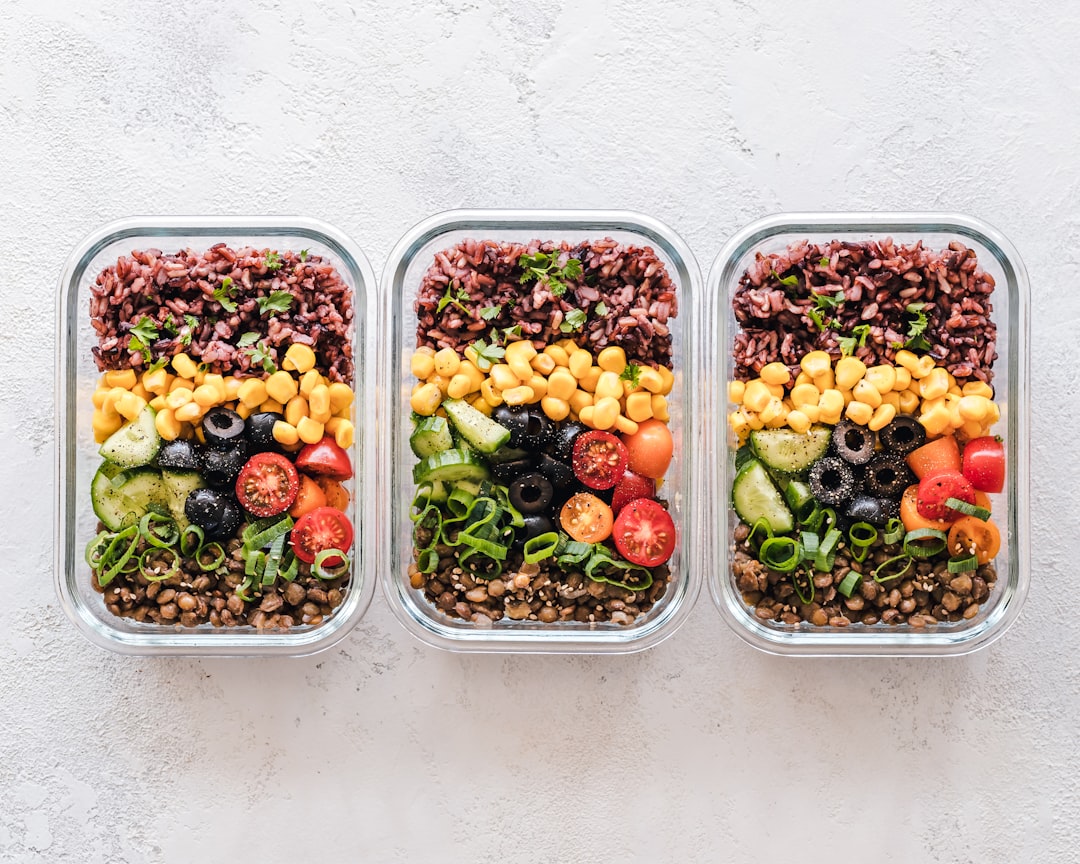
Invest in BPA-free, airtight glass containers with compartments to keep proteins, grains, and vegetables separate and fresh. Glass containers are highly durable, stain-resistant, and can transition safely from the freezer to the microwave or oven, making them ideal for busy Australian lifestyles.
Use digital kitchen scales calibrated to grams to accurately measure portion sizes against the Australian Dietary Guidelines serving recommendations. Weighing ingredients like raw nuts, seeds, and grains prevents accidental overconsumption, which can easily stall your weight management progress without your knowledge.
Utilise a slow cooker or pressure cooker to simplify batch cooking of tough cuts of lean meat, legumes, and root vegetables with minimal active kitchen time. These appliances allow you to prepare large, nutrient-dense meals like beef casserole or chickpea curry while you focus on other daily tasks.
Related reading
High Protein Meals for Fat Loss in Australia
Support your health goals with high protein meals for fat loss Australia by using our evidence-based coaching app to organise nutritious, local recipes.
6 min read
Sustainable Weight Loss Nutrition Australia: A Guide
Achieve your goals with sustainable weight loss nutrition Australia through evidence-based habits and flexible eating plans designed for long-term health.
5 min read
How to Count Macros Australia: Evidence-Based Guide
Learn how to count macros Australia wide to balance your energy needs and support your eating plan using reliable local nutrition panels.
4 min read
How to Count Macros in Australia: A Sustainable Guide
Master how to count macros Australia wide using kilojoules and local food labels to build a balanced, sustainable eating plan for your long-term wellbeing.
5 min read
Need a hand with the app? How do I log a meal in Platify?
Get the Platify app
Build a meal plan around the foods you already like, log what you eat, and watch your progress. Free to start.
Get the appCitations
- [1]Meal Planning, National Health and Medical Research Council (2013)
- [2]Better Health Channel, Victorian Government Department of Health (2024)
- [3]Sample Meal Plan for Women, National Health and Medical Research Council (2013)
Frequently asked
How many days can you keep prepped meals in the fridge?
According to Food Standards Australia New Zealand, cooked meals containing meat, poultry, or dairy should be stored in airtight containers and consumed within three to four days. For longer storage, freeze portions immediately after cooling.
What are the best containers for batch cooking?
Glass, oven-safe, and microwave-safe containers with airtight, BPA-free lids are ideal. They allow for safe reheating, prevent chemical leaching, and keep your pre-portioned meals fresh for longer in Australian climates.
Is frozen food as nutritious as fresh food for weight management?
Yes. Research from institutions like the CSIRO shows that snap-frozen vegetables and pre-frozen home-cooked meals retain their vitamin and mineral content, making them an excellent, budget-friendly option for healthy eating plans.
How do I avoid getting bored of eating the same prepped meals?
To maintain variety, batch cook and freeze different protein bases, then mix and match them with fresh seasonal Australian vegetables and different herbs or spices when reheating your meals throughout the week.
Should I prep my mid-meal snacks in advance?
Yes. The Australian Eat for Health guidelines state that planning and prepping mid-meal snacks in advance is essential for managing hunger levels and achieving sustainable weight loss.