
Iron Rich Foods for Women Australia: A Sustainable Guide
On this page
- Why is iron an essential nutrient for Australian women?
- What are the best animal-based sources of iron?
- Which plant-based foods are good sources of iron?
- How can you improve iron absorption through healthy eating?
- How does iron fit into a sustainable Australian way of eating?
- What should you look for at the supermarket?
- Frequently Asked Questions
For Australian women, maintaining adequate iron levels is essential for energy production and transporting oxygen throughout the body. Good sources of iron include both haem iron found in lean red meats, poultry, and seafood, and non-haem iron found in plant-based staples like legumes, tofu, fortified cereals, and dark leafy greens. By following the Eat for Health guidelines and pairing plant-based iron sources with vitamin C-rich foods, you can support your body's iron absorption as part of a balanced, sustainable eating pattern without the need for restrictive eating.
Why is iron an essential nutrient for Australian women?
Iron is a critical component of haemoglobin, the protein in red blood cells that carries oxygen from the lungs to your muscles and tissues. Without sufficient iron, our bodies cannot efficiently transport the energy required for daily movement and cellular repair. This is why iron is an essential nutrient required by the body to maintain overall health.
Adequate iron levels support cognitive function, immune health, and overall energy levels throughout the day. For many Australian women, feeling 'run down' is often a sign that their iron stores need attention. Maintaining these stores is a key part of long-term wellbeing and prevents the fatigue associated with low iron status.
It is important to note that Australian women of reproductive age have higher physiological requirements for iron compared to men. This is primarily to account for monthly losses during menstruation. Meeting these requirements through a varied nutrition approach ensures that you have the stamina for both work and leisure while supporting your body’s natural resilience.
What are the best animal-based sources of iron?
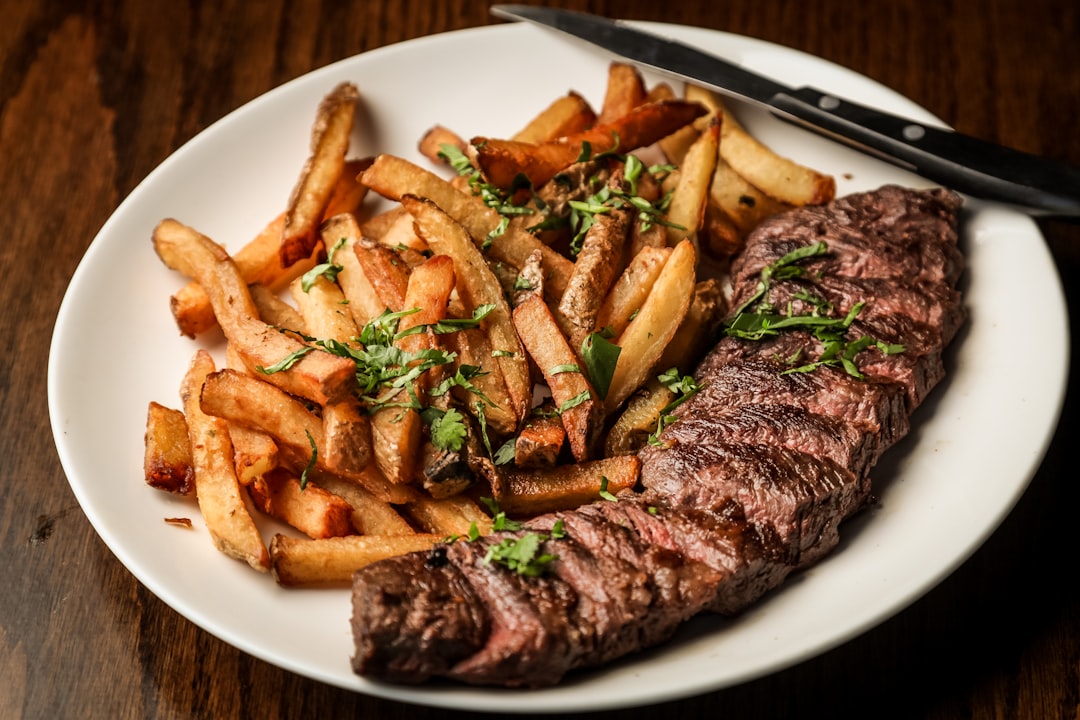
When looking at animal-based sources, we focus on 'haem' iron. This type of iron is generally absorbed more efficiently by the body than iron from plant sources. In Australian supermarkets, lean red meats such as beef and lamb are among the most bioavailable sources of haem iron available. Including small, palm-sized portions of these meats a few times a week can significantly contribute to your daily targets.
For a uniquely Australian and highly sustainable choice, kangaroo is an excellent lean protein option. It is naturally high in iron and very low in saturated fat, making it a nutrient-dense addition to a stir-fry or salad. Because kangaroo is harvested from the wild rather than farmed, it often has a lower environmental footprint compared to traditional livestock.
Other animal-based options include:
- Poultry: While lower in iron than red meat, chicken and turkey still provide valuable amounts of haem iron.
- Seafood: Mussels, oysters, and sardines are powerhouses of nutrition. Sardines, in particular, are a great pantry staple that fits into a heart-healthy eating pattern.
- Eggs: While they contain non-haem iron, they are a versatile and affordable protein source for many Australian households.
Which plant-based foods are good sources of iron?
If you prefer a plant-forward or meat-free nutrition approach, there are plenty of 'non-haem' iron sources to choose from. Legumes such as lentils, chickpeas, and kidney beans are versatile, budget-friendly pantry staples rich in non-haem iron. They are also high in fibre, which supports gut health and keeps you feeling full for longer.
Soy-based proteins like tofu and tempeh offer significant iron content and serve as excellent sustainable protein alternatives. These can be marinated and added to various dishes, from traditional Asian cuisines to modern Australian fusion bowls.
Whole grains and iron-fortified breakfast cereals, commonly found in the health aisle of Coles or Woolworths, contribute significantly to daily intake goals. Many Australian cereals are specifically fortified to help the population meet micronutrient targets, making them a convenient option for busy mornings.
Don't forget about snacks; nuts and seeds, particularly pumpkin seeds (pepitas) and cashews, provide a convenient iron-rich snack option. A small handful of pepitas over your morning oats or yogurt can add a boost of essential minerals.
How can you improve iron absorption through healthy eating?
It isn't just about what you eat, but how you eat it. Non-haem iron (from plants) is more sensitive to other components in your meal. Pairing non-haem iron sources with vitamin C-rich foods can significantly enhance absorption. For example, adding sliced capsicum to a lentil salad or having a squeeze of lemon juice over your tofu stir-fry helps your body take up more iron.
Other vitamin C-rich foods to include are:
- Broccoli and cauliflower
- Strawberries and kiwi fruit
- Tomatoes and citrus fruits
Conversely, some things can hinder absorption. It is often recommended to avoid drinking tea or coffee with meals, as tannins and polyphenols can inhibit the body's ability to take up non-haem iron. Try to enjoy your cuppa between meals instead.
Interestingly, the tools you use in the kitchen can also play a role. Cooking with cast-iron cookware may contribute small amounts of additional iron to your meals over time, especially when cooking acidic foods like tomato-based sauces. Above all, incorporate a variety of food groups as per the Australian Guide to Healthy Eating to ensure a synergistic intake of micronutrients that work together for your health.
How does iron fit into a sustainable Australian way of eating?
Sustainability and nutrition go hand-in-hand. Focusing on a 'plant-forward' approach allows for a mix of iron sources while reducing the environmental footprint of your grocery basket. By choosing locally sourced Australian legumes and seasonal greens, you support local farmers and ensure you are getting the freshest produce possible.
Reducing food waste is another way to maintain a sustainable kitchen. Leftover iron-rich vegetables, such as spinach or kale that might be wilting, can be easily tossed into soups, stews, or smoothies. This ensures you are getting every bit of nutrition from your shop.
Balancing moderate portions of high-quality Australian meats with diverse plant proteins aligns with both health and sustainability goals. You don't need to eat large amounts of meat to meet your iron needs; rather, it is about the quality and the combination of foods on your plate. This balanced approach is more sustainable for the planet and more enjoyable for your long-term eating habits.
What should you look for at the supermarket?
Navigating the aisles can be overwhelming, but a few simple tips can help you find the best iron-rich options. First, check the Health Star Rating and nutrition information panels on cereal boxes to identify products fortified with extra iron. Aim for those with lower added sugars and higher fibre content.
Look for the 'Australian Grown' logo on canned beans and lentils. This ensures you are supporting local industry and reducing the 'food miles' associated with your meal. Canned legumes are just as nutritious as dried ones and are incredibly convenient for quick weeknight dinners.
Explore the 'odd bunch' or seasonal produce sections for affordable vitamin C sources like tomatoes and citrus to pair with your iron-rich meals. These are often cheaper and just as tasty as the 'perfect' looking produce. Finally, consider tinned fish like salmon or sardines as a shelf-stable, iron-containing protein for quick lunches. They are easy to store and provide a quick hit of iron and omega-3 fatty acids when you're short on time.
Frequently Asked Questions
Can I get enough iron on a vegetarian or vegan eating plan? Yes, it is entirely possible to meet iron requirements through plant-based foods like legumes, tofu, and fortified grains. The key is variety and ensuring you include plenty of vitamin C to assist with absorption. Many Australian women thrive on plant-based nutrition by being mindful of these combinations.
How much iron do Australian women actually need? The Recommended Intake for women aged 19–50 is 18mg per day. This is significantly higher than the 8mg required by men, due to the iron lost during menstruation. After menopause, the requirement for women typically drops to 8mg per day, aligning with that of men.
What are the signs that I might need more iron? Common indicators of low iron include persistent tiredness, shortness of breath, and feeling cold. However, these symptoms can be caused by many things. If you are concerned about your iron levels, it is best to consult an Accredited Practising Dietitian or your GP for a blood test. It is important not to self-prescribe supplements, as too much iron can also be problematic for the body.
By focusing on a diverse range of whole foods—from the red earth of our grazing lands to the vibrant greens of our vegetable patches—Australian women can easily support their iron levels. This sustainable, evidence-based approach to nutrition ensures you have the energy to enjoy everything the Australian lifestyle has to offer, without the need for restrictive or complicated eating plans.
Related reading
Zinc Rich Foods Australia: Best Sources and Daily Guide
Boost your immune health and meet your daily targets easily by incorporating these nutrient-dense zinc rich foods Australia has to offer into your eating
3 min read
Zinc Rich Foods Australia: Best Dietary Sources & Daily Guide
Boost your daily intake with the best zinc rich foods Australia offers to support your immune health and optimise your overall eating plan naturally.
4 min read
Omega 3 from Food Sources Australia: A Complete Guide
Learn how to optimise your health by choosing the best omega 3 from food sources Australia provides, including oily fish and seeds, via our coaching app.
5 min read
Low GI Foods Australia: Your Guide to Sustained Energy
Organise your eating plan with low gi foods australia to enjoy sustained energy levels and avoid sudden crashes with our evidence-based guide.
5 min read
Need a hand with the app? Can I really eat my favourite foods?
Get the Platify app
Build a meal plan around the foods you already like, log what you eat, and watch your progress. Free to start.
Get the appCitations
- [1]Dietary iron makes healthy bodies, Dietitians Australia (2022)
Frequently asked
Can I get enough iron on a vegetarian or vegan diet?
Yes, it is entirely possible to meet iron requirements through plant-based foods like legumes, tofu, and fortified grains, provided you include plenty of vitamin C to assist with absorption and eat a wide variety of nutrient-dense foods.
How much iron do Australian women actually need?
The Recommended Dietary Intake (RDI) for women aged 19–50 is 18mg per day, which is higher than for men due to blood loss during menstruation. After menopause, this requirement typically drops to 8mg per day.
What are the signs that I might need more iron?
Common indicators of low iron include persistent tiredness, shortness of breath, and feeling cold. If you are concerned about your iron levels, it is best to consult an Accredited Practising Dietitian or your GP for a blood test rather than self-prescribing supplements.