
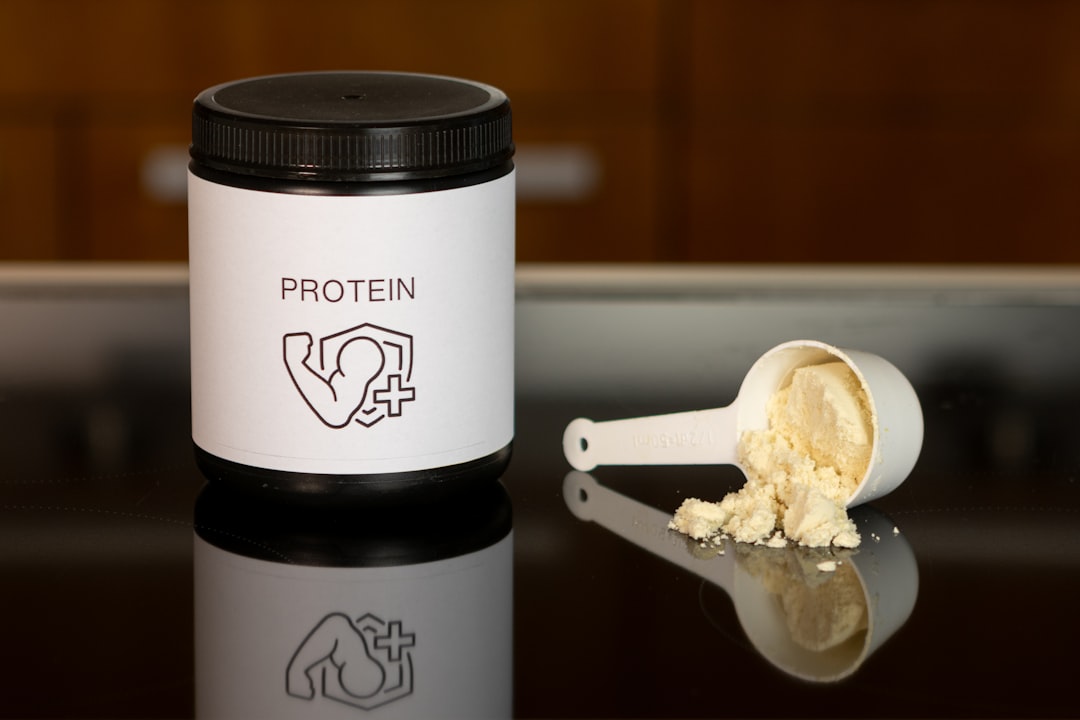
How Much Protein to Lose Weight: An Evidence-Based Guide
On this page
- What is the standard protein intake for Australian adults?
- How much protein is needed for fat loss and muscle preservation?
- Does protein help with appetite and satiety?
- How do protein requirements change throughout life?
- What are the best ways to source protein in Australia?
- Frequently Asked Questions
- What is the daily protein for fat loss for an average woman?
- Can you eat too much protein?
- Is plant protein as effective as animal protein for weight loss?
To support sustainable weight loss while preserving lean muscle mass, current Australian evidence suggests aiming for a daily protein intake of 1.2 to 1.6 grams per kilogram of body weight. This range is higher than the standard Australian Nutrient Reference Values (NRVs) of 0.75g/kg for women and 0.84g/kg for men, which are designed to meet basic nutritional requirements and avoid deficiency. By personalising your protein intake within this higher range, you may experience increased satiety and better management of body composition during your weight loss journey.
What is the standard protein intake for Australian adults?
Understanding your protein needs begins with the baseline established by the National Health and Medical Research Council (NHMRC). The Nutrient Reference Values (NRVs) for Australia and New Zealand are designed as a roadmap to prevent nutritional deficiency across the general population. These figures represent the minimum amount required to keep the body functioning healthily, rather than the optimal amount for specific body composition goals.
For adult women under the age of 70, the recommended daily intake is 0.75 grams of protein per kilogram of body weight. For adult men in the same age bracket, the guideline is slightly higher at 0.84 grams per kilogram. When we look at the "average" Australian adult, these baseline requirements typically translate to roughly 48 to 56 grams of protein per day.
While these levels are perfectly adequate for supporting general health and cellular repair, they are often considered a modest level of intake. If you are looking to change your body composition or manage your kilojoule intake more effectively, sticking strictly to the minimum NRVs might not provide the metabolic support you need.
How much protein is needed for fat loss and muscle preservation?
When the goal shifts from general health to weight management, the evidence suggests that a "one size fits all" minimum isn't the most effective path. Clinical trials indicate that consuming protein above the standard recommended dietary allowance can significantly assist in reducing total body weight and fat mass.
Research from the CSIRO suggests a range of 1.2 to 1.6 grams per kilogram of body weight is more effective for long-term weight management. This is because higher protein intake is specifically linked to the preservation of fat-free mass—your muscle tissue—during periods of energy restriction. When you consume fewer kilojoules, your body may look to break down muscle for energy; keeping protein high signals the body to maintain that muscle and focus on burning fat stores instead.
Personalising your protein targets based on your current weight allows for a more tailored approach to metabolic health. For those who are highly active, the requirements may climb even further. Athletes or very active individuals may require ranges between 1.6 and 2.4 g/kg to protect muscle tissue during fat loss.
Does protein help with appetite and satiety?
One of the biggest hurdles in any weight loss journey is managing hunger. This is where protein becomes a powerful tool. High-protein nutrition approaches have been shown to increase feelings of fullness or satiety compared to lower-protein alternatives.
This isn't just a psychological trick; it is biological. Protein influences the release of satiety hormones, which signal to the brain that you are satisfied after a meal. By increasing satiety, you can naturally manage your energy intake without the need for restrictive or unsustainable eating patterns.
Including a quality protein source at every meal—breakfast, lunch, and dinner—is a common evidence-based strategy used in Australian weight management programmes. When you feel satisfied, you are less likely to reach for high-kilojoule snacks between meals. This makes long-term weight maintenance more sustainable and less reliant on sheer willpower, which we know can fluctuate.
How do protein requirements change throughout life?
Protein needs are not static; they evolve as we do. Requirements change for specific groups, including those who are pregnant or breastfeeding, to support the growth of new tissue.
As we age, our bodies also become less efficient at processing protein. Adults over the age of 70 require more protein per kilogram than younger adults to combat sarcopenia, or age-related muscle loss. Maintaining muscle mass in later life is crucial for mobility, balance, and metabolic health.
Even from the very beginning of life, requirements are specific. Infants aged 0-6 months need approximately 1.43g/kg (roughly 10g per day). As they grow to 7-12 months, their requirement shifts to 1.6g/kg or about 14g per day. Consulting the Australian Dietary Guidelines ensures that your nutrition approach supports growth and repair at every stage of the lifecycle.
What are the best ways to source protein in Australia?
Australia is home to a wealth of high-quality protein sources. The NHMRC recommends a variety of protein sources to ensure you get a full profile of amino acids and micronutrients.
- Lean Meats and Poultry: Beef, lamb, and chicken are staples, but look for lean cuts to keep saturated fat intake in check.
- Fish and Seafood: Excellent sources of protein that also provide heart-healthy omega-3 fatty acids.
- Eggs and Dairy: Greek yoghurt, milk, and eggs are versatile and provide essential calcium for bone health.
- Legumes and Beans: Lentils, chickpeas, and black beans are highly sustainable, budget-friendly options available at all major AU supermarkets like Coles and Woolworths.
- Plant-based Proteins: Tofu, tempeh, nuts, and seeds can effectively meet requirements when a diverse range is consumed throughout the day.
Focusing on whole-food protein sources rather than relying solely on supplements ensures you receive a broad spectrum of vitamins and minerals. Whether you prefer a plant-forward approach or include animal products, the key is consistency and variety.
Frequently Asked Questions
What is the daily protein for fat loss for an average woman?
While the baseline is 0.75g/kg, for fat loss goals, evidence suggests increasing this to 1.2–1.6g per kilogram of body weight. For a woman weighing 70kg, this would mean aiming for approximately 84g to 112g of protein daily to improve satiety and protect muscle.
Can you eat too much protein?
For most healthy Australians, a higher protein intake within the 1.2-1.6g/kg range is safe and well-tolerated. However, protein metabolism involves the kidneys. Those with pre-existing kidney conditions should always consult a GP or Accredited Practising Dietitian before significantly increasing their intake.
Is plant protein as effective as animal protein for weight loss?
Yes, plant-based proteins like lentils, chickpeas, and tofu can support weight loss effectively. The most important factor is that the total daily protein intake meets the recommended 1.2-1.6g/kg target and includes a variety of sources to ensure a complete amino acid profile.
Related reading
How Many Calories to Lose Weight Safely: A Sustainable Guide
Learn how many calories to lose weight safely using our evidence-based coaching app to calculate kilojoule needs for sustainable, long-term health goals.
5 min read
Protein Intake for Muscle Building in Australia
Learn the optimal protein intake for muscle building Australia targets to support your training and refine your eating plan with evidence-based guidance.
4 min read
Protein Intake for Muscle Building Australia: A Complete Guide
Optimise your protein intake for muscle building Australia with our evidence-based coaching app to support muscle growth and recovery through better
5 min read
Weight Loss Without Cutting Out Food Groups: A Sustainable Guide
Achieve weight loss without cutting out food groups by using our evidence-based coaching app to build a balanced eating plan for sustainable health.
6 min read
Need a hand with the app? How do I log my weight?
Get the Platify app
Build a meal plan around the foods you already like, log what you eat, and watch your progress. Free to start.
Get the appCitations
- [1]Protein, Dietitians Australia (2023)
- [2]Clinical Evidence and Mechanisms of High-Protein Diet on Weight Loss, Journal of Obesity & Metabolic Syndrome (2020)
- [3]How much protein do you need every day?, Harvard Health Publishing (2015)
- [4]New calculator helps you personalise your protein needs, CSIRO (2018)
- [5]Healthy proteins for weight loss, Diabetes Australia (2022)
- [6]Protein Intake Guide, Examine (2024)
- [7]Protein Nutrient Reference Values, NHMRC (2014)
Frequently asked
What is the daily protein for fat loss for an average woman?
While the baseline is 0.75g/kg, for fat loss goals, evidence suggests increasing this to 1.2–1.6g per kilogram of body weight to improve satiety and protect muscle.
Can you eat too much protein?
For most healthy Australians, a higher protein intake within the 1.2-1.6g/kg range is safe; however, those with pre-existing kidney conditions should consult a GP or Accredited Practising Dietitian.
Is plant protein as effective as animal protein for weight loss?
Yes, plant-based proteins like lentils, chickpeas, and tofu can support weight loss effectively, provided the total daily protein intake meets the recommended 1.2-1.6g/kg target.