
High Protein Meals for Fat Loss Australia: A Science-Based Guide
On this page
- How does protein support fat loss and body composition?
- What are the best high protein foods in Australia?
- Lean Meats and Poultry
- Seafood
- Plant-Based Proteins
- How much protein do Australians actually need?
- Can a high protein eating pattern improve metabolic health markers?
- How to build balanced high protein meals without restriction?
- The Balanced Plate Method
- Bulk with Legumes
- Mindful Cooking
- Variety is Key
- Frequently Asked Questions
Prioritising high protein meals for fat loss in Australia involves selecting nutrient-dense, lean sources that support satiety and muscle preservation while maintaining a sustainable energy deficit. Evidence suggests that increasing protein intake to between 1.2 and 1.6 grams per kilogram of body weight can enhance fat mass loss and improve metabolic markers like blood pressure and triglycerides. By incorporating local staples such as kangaroo, lean poultry, legumes, and sustainable Australian seafood, individuals can leverage the thermic effect of food to increase energy expenditure without the need for restrictive eating patterns. This approach aligns with the Australian Dietary Guidelines, ensuring adequate dietary fibre and micronutrient intake alongside increased protein for long-term health and weight management.
How does protein support fat loss and body composition?
Understanding the physiological role of protein is the first step toward a successful nutrition approach. One of the most significant benefits of protein is its impact on hunger management. High-protein meals increase satiety, which helps you feel fuller for longer periods. This naturally assists with managing energy intake throughout the day, reducing the likelihood of reaching for high-kilojoule snacks between meals.
Beyond just feeling full, the way your body processes protein is unique. The thermic effect of food is higher for protein than for fats or carbohydrates. This means your body actually uses more energy to digest, absorb, and process protein, effectively boosting your metabolic rate during the digestion process.
When we aim for fat loss, the goal is to lose fat while keeping as much muscle as possible. Clinical trials have shown that consuming protein above the standard recommended allowance improves body composition by specifically targeting fat mass. This is particularly important during periods of energy restriction, where a higher protein intake helps preserve lean muscle tissue. By protecting your muscle, you ensure that the weight loss comes primarily from fat stores and that your resting metabolic rate remains robust. Furthermore, evidence suggests that these patterns lead to greater reductions in waist circumference compared to standard protein intake.
What are the best high protein foods in Australia?
Australia is home to a wealth of high-quality protein sources that are easily accessible at local supermarkets like Coles, Woolworths, and Aldi, as well as independent butchers. Choosing lean options is key to managing your daily kilojoule intake while hitting your protein targets.
Lean Meats and Poultry
Australia produces some of the world's best lean meats. Beef, lamb, pork, and kangaroo are excellent sources of high-quality protein. Kangaroo, in particular, is a standout Australian choice—it is incredibly lean, high in iron, and has a very low environmental footprint. For poultry, chicken, turkey, and even emu provide versatile bases for meals. Opting for skinless breast meat is a simple way to keep the protein high and the saturated fat low.
Seafood
With our vast coastline, seafood is a primary protein source for many Australians. Fresh and frozen seafood, including prawns, crab, and local fish like barramundi or snapper, are heart-healthy protein sources. These options provide essential omega-3 fatty acids alongside high-quality protein, supporting both fat loss and cardiovascular health.
Plant-Based Proteins
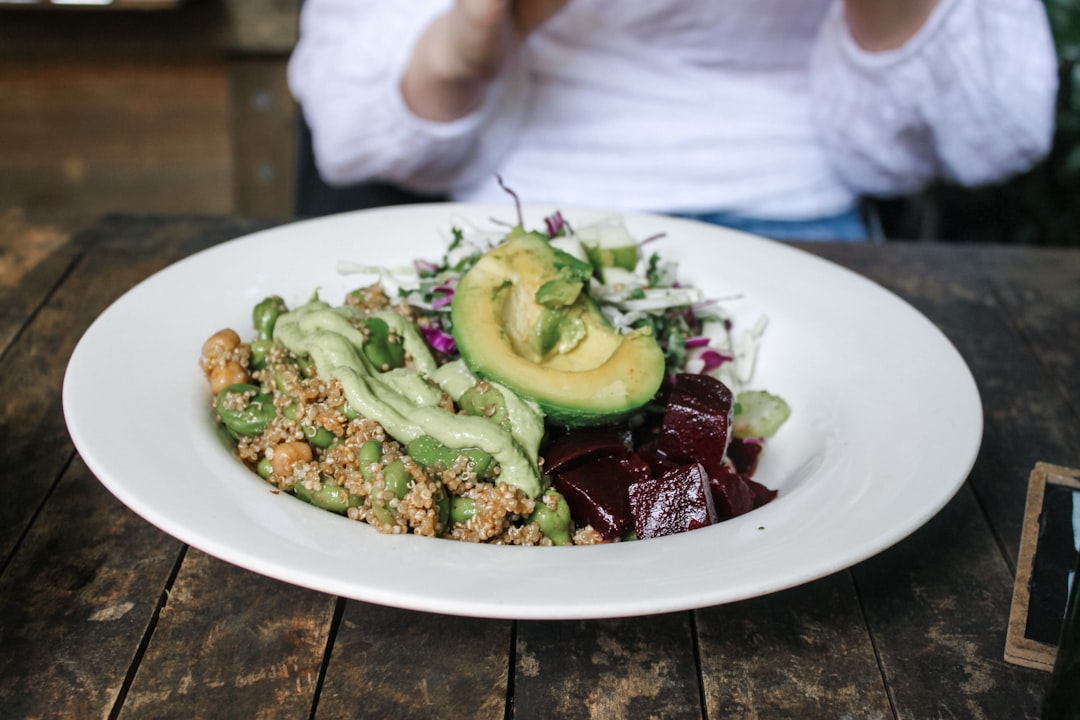
A sustainable nutrition approach doesn't rely solely on animal products. Plant-based proteins such as tofu, tempeh, nuts, and seeds are essential for dietary variety. Additionally, legumes like chickpeas, lentils, and beans are budget-friendly staples. These foods are unique because they provide a "double win": a significant protein hit combined with essential dietary fibre, which is often lacking in more restrictive eating plans.
How much protein do Australians actually need?
Protein requirements are not one-size-fits-all; they depend on your age, sex, and activity levels. According to Australian health advice, the minimum requirement for adult women is 0.75 grams of protein per kilogram of body weight daily. For adult men, the recommended daily intake is 0.84 grams per kilogram.
However, if your goal is fat loss and body composition improvement, these baseline figures may not be enough. Scientific evidence suggests that to optimise fat loss results, a range of 1.2 to 1.6 grams per kilogram of body weight is more effective. This higher range ensures that as you reduce your energy intake, your body has enough amino acids to maintain its vital functions. Protein is essential for the growth and repair of every cell in your body, from your muscles and bones to your skin and immune system.
It is also worth noting that protein requirements increase for adults over the age of 70 to help maintain muscle mass and bone health. While increasing protein is beneficial, balance is vital. Excessive protein intake can occasionally lead to complications like kidney stones if not balanced with adequate hydration and a variety of other nutrients.
Can a high protein eating pattern improve metabolic health markers?
Focusing on protein isn't just about the scales; it's about what’s happening inside your body. Research indicates that higher protein intake during weight management is associated with significant improvements in metabolic health. For instance, energy-restricted eating plans that are higher in protein have been linked to greater reductions in fasting triglycerides and improved blood pressure readings.
To maximise these health benefits, the source of your protein matters. The National Heart Foundation of Australia emphasises that choosing plant-based proteins and lean seafood supports long-term heart health. Conversely, a reliance on red meat and full-fat dairy may increase the risk of heart disease. By selecting lean Australian proteins—like grilled fish or kangaroo—you can manage your cholesterol levels while still hitting your protein targets. This holistic view of health ensures that as you lose fat, you are also strengthening your cardiovascular system.
How to build balanced high protein meals without restriction?
Sustainable nutrition is about what you can add to your plate, not just what you take away. It is important to avoid the trap of overly restrictive patterns that eliminate entire food groups. For example, eating plans that restrict carbohydrates may lead to nutritional deficiencies or insufficient fibre intake, which is detrimental to gut health.
The Balanced Plate Method
When building your meals, aim for a balance of protein, complex carbohydrates, and healthy fats. Pair a lean protein like barramundi or lean beef with seasonal Australian vegetables like bok choy, broccoli, or carrots. Add a source of complex carbohydrates, such as brown rice or sweet potato, to provide the glucose your brain needs for energy.
Bulk with Legumes
One of the best ways to increase the protein and fibre content of your meals is to utilise legumes and pulses. You can easily mix lentils into a bolognese sauce or add chickpeas to a chicken stir-fry. This increases the volume of the meal (keeping you full) without significantly increasing the energy density.
Mindful Cooking
How you prepare your protein is just as important as the protein itself. Grilling, steaming, poaching, or stir-frying are excellent ways to cook without adding unnecessary kilojoules from oils or deep-frying. Using Australian herbs and spices—like lemon myrtle or mountain pepper—can add incredible flavour to lean meats without the need for high-salt or high-sugar sauces.
Variety is Key
The lean meat, poultry, fish, eggs, and legume group provides more than just protein; it is a vital source of minerals like zinc and vitamins such as B12. By rotating your protein sources throughout the week, you ensure a broad spectrum of micronutrients, supporting your energy levels and overall wellbeing.
Frequently Asked Questions
Is a high protein eating pattern better than a low carb eating pattern for fat loss? While protein is excellent for managing hunger and preserving muscle, long-term weight loss results from high-protein approaches are generally comparable to other balanced eating plans. The key is finding a sustainable way of eating that you can maintain. Protein should complement, not replace, fibre-rich carbohydrates and healthy fats.
What are the risks of eating too much protein? Consuming excessive protein can increase the risk of kidney stones in some individuals. Furthermore, if you focus exclusively on protein at the expense of other food groups, you may miss out on essential fibre and antioxidants. It is always best to follow the Australian Dietary Guidelines which suggest protein should contribute roughly 15% to 25% of your total energy intake.
Can I get enough protein on a plant-based way of eating in Australia? Absolutely. By consuming a variety of legumes, tofu, nuts, and seeds, you can easily meet your protein requirements. Plant-based proteins are highly recommended for heart health and are a staple of a balanced Australian nutrition approach.
In conclusion, focusing on high protein meals for fat loss in Australia is a scientifically supported strategy that prioritises satiety, muscle preservation, and metabolic health. By choosing lean, local ingredients and maintaining a balanced plate, you can achieve your body composition goals in a way that is both healthy and sustainable for the long term.
Related reading
Meal Prep for Weight Loss Australia: A Dietitian-Backed Guide
Organise your weekly eating plan with our dietitian-backed guide to meal prep for weight loss Australia to manage kilojoules and save time.
4 min read
Sustainable Weight Loss Nutrition Australia: A Guide
Achieve your goals with sustainable weight loss nutrition Australia through evidence-based habits and flexible eating plans designed for long-term health.
5 min read
Protein Intake for Muscle Building in Australia
Learn the optimal protein intake for muscle building Australia targets to support your training and refine your eating plan with evidence-based guidance.
4 min read
Protein Intake for Muscle Building Australia: A Complete Guide
Optimise your protein intake for muscle building Australia with our evidence-based coaching app to support muscle growth and recovery through better
5 min read
Need a hand with the app? What is Platify and how does the coaching work?
Get the Platify app
Build a meal plan around the foods you already like, log what you eat, and watch your progress. Free to start.
Get the appCitations
- [1]Clinical Evidence on the Effects of High-Protein Diet on Weight Loss, PubMed Central (2020)
- [2]High-protein diets: Are they safe?, Mayo Clinic (2023)
- [3]Effects of higher-protein energy-restricted diets on retention of fat-free mass and weight loss, The American Journal of Clinical Nutrition (2023)
- [4]Protein, Better Health Channel Victoria (2022)
- [5]Protein and heart health, National Heart Foundation of Australia (2023)
- [6]Protein, Dietitians Australia (2022)
- [7]Healthy proteins for weight loss, Diabetes Australia (2023)
- [8]Protein and your health, Healthdirect Australia (2023)
- [9]Lean meat and poultry, fish, eggs, tofu, nuts and seeds and legumes/beans, Australian Government Department of Health (2021)
Frequently asked
Is a high protein diet better than a low carb diet for fat loss?
Research shows that long-term weight loss results from high-protein diets are generally comparable to other diet types. The primary advantage of protein is its ability to preserve muscle mass and manage hunger, but it should not come at the expense of fibre-rich carbohydrates.
What are the risks of eating too much protein?
Excessive protein intake, especially if it replaces other food groups, can lead to nutrient deficiencies, insufficient fibre, and an increased risk of kidney stones. Diets overly reliant on red meat and full-fat dairy may also increase heart disease risk.
Can I get enough protein on a plant-based diet in Australia?
Yes, plant-based proteins like legumes, tofu, nuts, and seeds are highly recommended for heart health and provide ample protein when consumed in varied amounts, aligning with Australian healthy eating guidelines.