
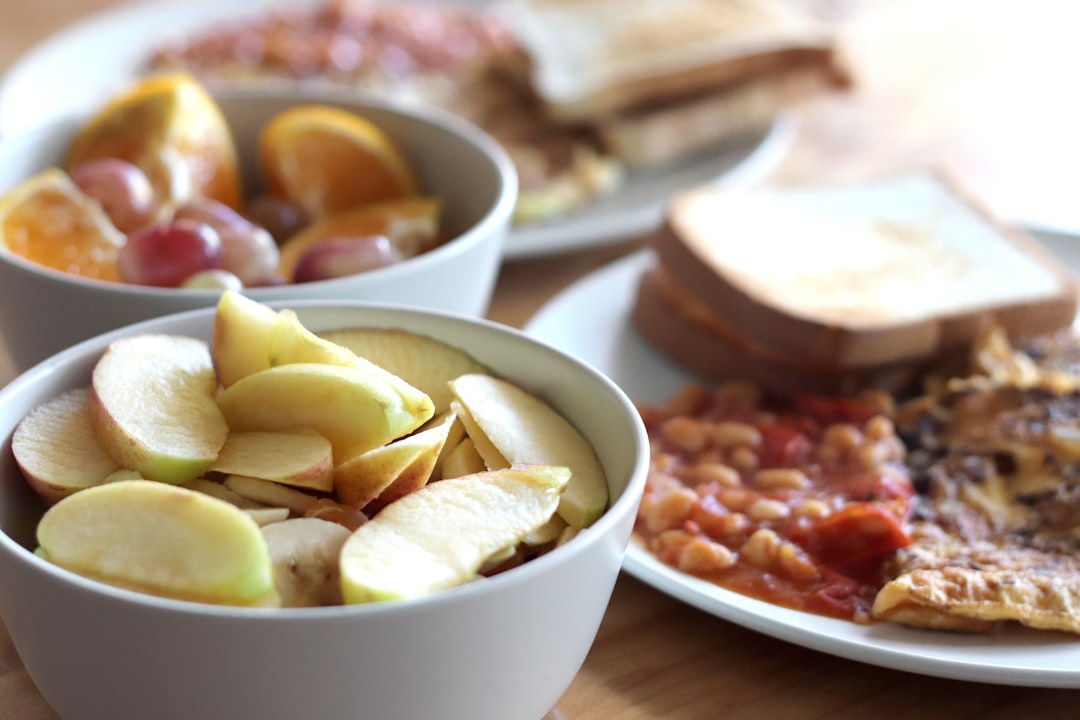
Healthy breakfast ideas for Australian adults
On this page
Healthy breakfast patterns for Australian adults focus on high-fibre wholegrains and lean proteins to meet the NHMRC recommendation of 25–30g of daily fibre. Incorporating diverse plant sources like legumes or bircher muesli supports sustained energy and metabolic health throughout the morning.
What are the best breakfast foods for adults?
The NHMRC Australian Dietary Guidelines recommend choosing minimally processed wholegrains like rolled oats or sourdough to provide complex carbohydrates. These foods provide the necessary 8,700kJ daily average energy intake for adults while supporting digestive health. Selecting wholegrains over refined options ensures a higher intake of B vitamins and minerals essential for cellular function.
Dietitians Australia suggests incorporating green shakshuka to increase morning vegetable intake, providing essential folate and iron. This savoury dish often features spinach, kale, and eggs, which contribute to the five recommended daily serves of vegetables. Adding 100g of leafy greens to your morning meal can significantly improve your nutrient density profile.
High-fibre choices such as apple and sultana bircher muesli help maintain stable blood glucose levels according to Harvard Health research. By soaking oats overnight, you create resistant starch which feeds beneficial gut bacteria. This traditional preparation method is a staple in many Australian households seeking a balanced start.
How can I prepare high protein breakfast ideas?
Legume porridge offers a unique, plant-based protein alternative to traditional oats, as highlighted by Dietitians Australia. Using red lentils or split peas provides approximately 18g of protein per cooked cup. This approach is particularly useful for those looking to diversify protein sources beyond dairy and poultry.
Adding 30g of toasted almonds or chia seeds to a blueberry and coconut mousse increases the amino acid profile and healthy fat content. These additions provide omega-3 fatty acids and vitamin E, which are vital for heart health. Small adjustments to toppings can transform a light snack into a satiating morning meal.
The Heart Foundation recommends using reduced-fat Greek yoghurt or eggs as affordable protein sources for Australian households. A single large egg contains about 6g of high-quality protein and essential fat-soluble vitamins. Pairing these with wholegrain toast creates a complete amino acid profile to support muscle maintenance throughout the day.
Which breakfast meal prep ideas save time?
Preparing fruit bircher muesli the night before allows wholegrains to soften, making it a grab-and-go option recommended by Dietitians Australia. This method eliminates the need for morning cooking and ensures you have a fibre-rich meal ready during the early rush. It is a practical solution for those who find themselves skipping meals due to time constraints.
Batch-cooking savoury muffins with CSIRO-approved ingredients like spinach and feta ensures a nutrient-dense start during busy work weeks. These muffins can be frozen and reheated, providing a portion-controlled option that includes both protein and vegetables. Using wholemeal flour in these recipes increases the total fibre content per serve.
Storing chia puddings in reusable glass jars helps meet the FSANZ standards for food safety while maintaining texture for up to three days. Chia seeds can absorb up to 12 times their weight in liquid, creating a thick, pudding-like consistency. This preparation style allows for easy transport to the office or university.
How to eat breakfast on a budget Australia?
Buying seasonal Australian fruits like apples or pears for muesli toppings reduces costs compared to imported out-of-season berries. The Australian Bureau of Agricultural and Resource Economics and Sciences (ABARES) notes that seasonal produce is often more nutrient-dense and affordable. Checking local markets can further reduce your weekly grocery spend.
The Better Health Channel suggests using pantry staples like canned chickpeas or lentils in breakfast hashes for an affordable fibre boost. A 400g tin of legumes often costs less than $1.50 at major AU supermarkets like Coles or Woolworths. These shelf-stable items provide a base for many diverse and filling morning recipes.
Generic brand rolled oats provide the same nutritional value as premium versions, meeting the NHMRC criteria for low-GI wholegrains at a fraction of the price. Buying in bulk (e.g., 1kg or 2kg bags) significantly lowers the cost per serve to under 20 cents. This makes wholegrain porridge one of the most cost-effective health interventions available.
What are the best options for breakfast for sustained energy?
Harvard Health indicates that whole-grain breads prevent the mid-morning energy crashes often associated with refined sugary cereals. These complex carbohydrates take longer to break down, providing a steady stream of glucose to the brain. This is essential for maintaining concentration during work or study sessions.
Combining low-GI carbohydrates with healthy fats, such as avocado or nuts, slows digestion and provides a steady release of energy. Dietitians Australia notes that this combination helps manage appetite by regulating hunger hormones. Including a source of unsaturated fat ensures you remain satisfied until your next scheduled meal.
Including at least 5g of fibre per serve, as found in traditional bircher muesli, supports gut health and long-term satiety. The National Heart Foundation of Australia supports high-fibre intake as a way to manage cholesterol levels. A breakfast rich in soluble fibre is a cornerstone of a heart-healthy nutrition approach.
Can a quick healthy breakfast be nutrient-dense?
A simple blueberry and coconut mousse can be assembled in minutes while providing essential antioxidants and minerals. Using frozen berries is a cost-effective way to ensure you have fruit available year-round without sacrificing nutritional quality. This quick assembly fits easily into even the most demanding morning routines.
Healthdirect Australia recommends quick smoothies containing a balance of fruit, vegetables, and a protein source like milk or soy. Adding a handful of frozen spinach or half a zucchini can boost vegetable intake without significantly altering the flavour. This is an efficient way to consume multiple food groups in a single serve.
Toasted wholegrain bread topped with sliced tomato and herbs meets the Australian Guide to Healthy Eating requirements for a balanced meal. This simple combination provides carbohydrates, vitamins, and minerals with minimal preparation time. It demonstrates that a nutritious start does not require complex recipes or expensive ingredients.
Related reading
Fibre Rich Snacks for Australian Adults: A Practical Guide
Improve your digestive wellbeing with these fibre rich snacks for Australian adults, designed to help you meet daily targets using simple whole foods.
4 min read
Healthy Eating on a Budget Australia: Save Up to $78 Weekly
Save up to $78 weekly with our practical guide to healthy eating on a budget australia, featuring smart shopping tips to nourish your family for less.
4 min read
Sustainable Weight Loss Nutrition Australia: A Guide
Achieve your goals with sustainable weight loss nutrition Australia through evidence-based habits and flexible eating plans designed for long-term health.
5 min read
High Protein Meals for Fat Loss in Australia
Support your health goals with high protein meals for fat loss Australia by using our evidence-based coaching app to organise nutritious, local recipes.
6 min read
Need a hand with the app? What is Platify and how does the coaching work?
Get the Platify app
Build a meal plan around the foods you already like, log what you eat, and watch your progress. Free to start.
Get the appCitations
- [1]Breakfast Recipes and Tips, Dietitians Australia (2023)
- [2]4 ways to boost your energy naturally with breakfast, Harvard Health Publishing (2022)
- [3]Australian Dietary Guidelines, NHMRC (2013)
- [4]Healthy Eating Heart Foundation, National Heart Foundation of Australia (2024)
- [5]Nutrition and Health Research, CSIRO (2023)
- [6]Food Standards Australia New Zealand, FSANZ (2024)
- [7]Breakfast, Better Health Channel (2024)
- [8]Healthy Breakfast Ideas, Healthdirect Australia (2024)
Frequently asked
What are some high protein breakfast ideas for Australians?
High protein options include legume-based porridges, Greek yoghurt with 20g of nuts, or eggs served on wholegrain toast. These choices align with Dietitians Australia recommendations for muscle maintenance and satiety.
How do I make a quick healthy breakfast on workdays?
Overnight bircher muesli or pre-prepared chia seed puddings are excellent time-saving options. These meals provide sustained energy through complex carbohydrates and fibre, as suggested by Harvard Health.
What is the best breakfast for sustained energy?
A combination of low-GI wholegrains and lean protein, such as apple and sultana bircher muesli, provides the most stable energy release. This prevents the blood sugar spikes often caused by highly processed cereals.
Are there breakfast meal prep ideas for busy families?
Batch-preparing savoury vegetable muffins or soaking large portions of oats ensures nutritious options are available. Following the Australian Dietary Guidelines helps ensure these prepped meals remain balanced.
How can I afford a healthy breakfast on a budget in Australia?
Focus on Australian-grown seasonal fruits, bulk-bought oats, and affordable legumes. These staples provide high nutritional density at a lower cost per serve than pre-packaged convenience items.