
Fibre Intake for Gut Health Australia: Meeting Your Daily Needs
On this page
- How much fibre per day do Australians actually need?
- The 'Fibre Gap': How does the Australian intake compare?
- What are the best high fibre foods in Australia?
- Legumes and Pulses
- Fresh Local Produce
- Whole Grains
- Why is fibre essential for your gut microbiome?
- Sustainable ways to increase your daily fibre
- Hydration and fibre: A necessary partnership
- Frequently Asked Questions
- What is the recommended daily fibre intake for Australian adults?
- Are most Australians eating enough fibre?
- How can I find high fibre foods at the supermarket?
To support optimal gut health and reduce the risk of chronic disease, Australian health guidelines recommend that adults aim for a minimum of 25g to 30g of dietary fibre each day. While current data suggests the average Australian adult consumes only around 20.7g daily, increasing this intake through a diverse range of whole grains, legumes, fruits, and vegetables can significantly enhance digestive regularity and microbiome diversity. Focusing on a variety of plant-based foods available at local supermarkets like Coles and Woolworths is a sustainable, non-restrictive way to bridge this gap and support long-term wellbeing.
How much fibre per day do Australians actually need?
Understanding your daily requirements is the first step toward better digestive wellness. In Australia, the National Health and Medical Research Council (NHMRC) and Dietitians Australia recommend a daily target of 25g for women and 30g for men to maintain healthy bowel function and overall physiological health. These figures are not just arbitrary numbers; they are based on extensive research into how our bodies process nutrients and maintain internal balance.
While the baseline is essential, the evidence suggests that there is a sliding scale of benefits. Consuming between 25g and 29g daily is linked to significant protective health benefits across the general population. However, for those looking to further optimise their gut health, research indicates that exceeding 30g per day may offer even greater physiological advantages, particularly concerning metabolic health and long-term disease prevention.
The Australian Dietary Guidelines emphasise that these targets should be met through a variety of whole food sources. While supplements exist, the complex matrix of vitamins, minerals, and phytonutrients found in whole plants works synergistically with fibre to support your body in ways a single powder cannot. By focusing on diversity, you ensure you are receiving various types of fibre—soluble, insoluble, and resistant starch—each playing a unique role in your digestive journey.
The 'Fibre Gap': How does the Australian intake compare?
Despite the clear benefits, most of us are not quite hitting the mark. Recent studies have highlighted a substantial 'fibre gap' in the Australian community. Data shows that the median daily intake for Australian adults sits at just 20.7g, which is well below the minimum recommendations for both men and women. This shortfall means many of us are missing out on the protective qualities that a high-fibre nutrition approach provides.
The statistics reveal that approximately 42.3% of the Australian population currently falls short of the minimum recommended fibre targets. This is not just an issue for adults; Australian children are also consuming less than ideal amounts, with a recorded median intake of 18.2g per day. When we look at the broader distribution, the interquartile range for adults spans from 14.3g to 28.7g, while for children it ranges from 13.2g to 25.0g.
This data suggests that while some individuals are meeting the targets, a large portion of the community is significantly under-served. Bridging this gap does not require a complete overhaul of your life or the adoption of a restrictive eating plan. Instead, it is about making small, sustainable adjustments to the foods we already enjoy, ensuring that every meal contributes a little more to our daily total.
What are the best high fibre foods in Australia?
Boosting your fibre intake for gut health in Australia is easily achievable thanks to the abundance of fresh produce and pantry staples available at local grocers. You do not need expensive 'superfoods' to reach your 30g goal; some of the most effective sources are the most affordable.
Legumes and Pulses
Legumes such as chickpeas, lentils, and kidney beans are true powerhouses. Found in the canned aisle of Coles, Woolworths, or Aldi, these are incredibly versatile. A single cup of cooked lentils can provide a massive boost toward your daily target. They are also a staple of sustainable nutrition, offering a low-kilojoule, high-nutrient alternative to meat in many traditional recipes.
Fresh Local Produce
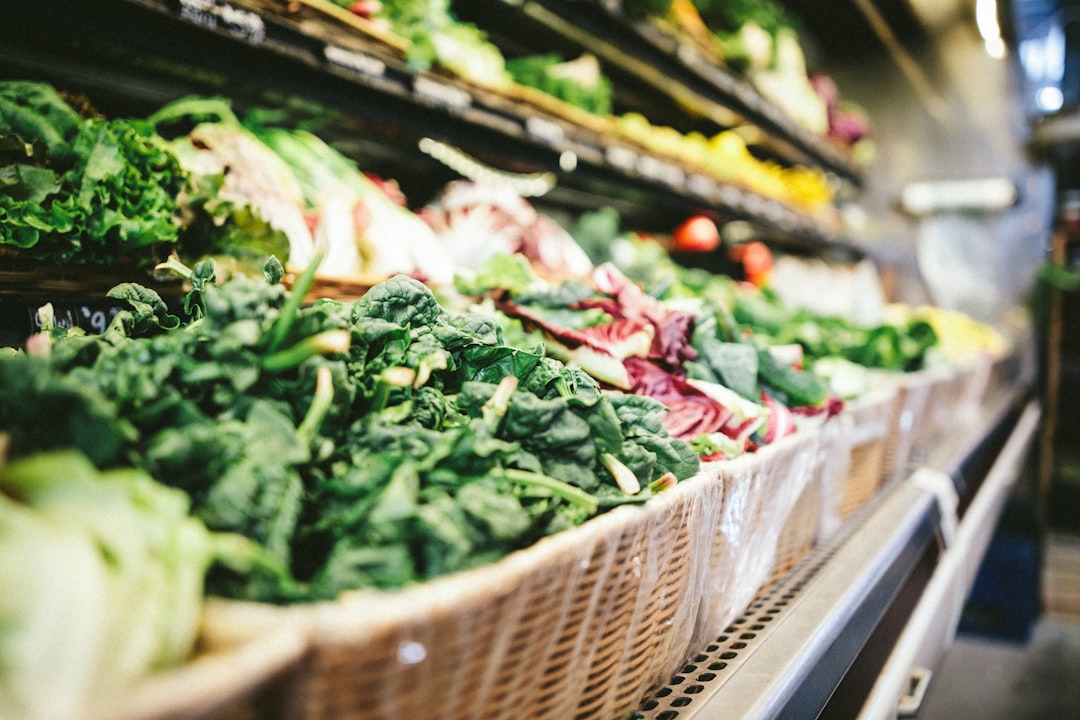
Australia grows some of the best produce in the world. Native and locally grown fruits like pears and apples are excellent sources, provided you keep the skin on. Berries, often available frozen for convenience and value, are also packed with fibre. When it comes to vegetables, broccoli, carrots, and sweet potatoes are nutrient-dense options that align perfectly with the Australian Guide to Healthy Eating. Aiming for a 'rainbow' on your plate ensures a mix of different fibre types.
Whole Grains
Whole grain choices are foundational for daily intake. Swap your morning cereal for rolled oats or a high-fibre variety of Australian wheat bread. Quinoa and brown rice are also excellent additions to dinner. Look for products that list 'whole grain' as the first ingredient and check the nutrition information panel—aiming for products with more than 5g of fibre per 100g is a great rule of thumb for the supermarket run.
Why is fibre essential for your gut microbiome?
Fibre is much more than just 'roughage' that keeps things moving; it is the primary fuel source for your gut microbiome. Your large intestine is home to trillions of bacteria that play a critical role in your immune system, mood, and metabolism. Fibre acts as a prebiotic, providing the nourishment these beneficial bacteria need to thrive.
When these bacteria ferment fibre, they produce short-chain fatty acids (SCFAs). These compounds are vital for maintaining the integrity of the gut lining, reducing inflammation, and even communicating with the brain. A diverse intake of fibre—including seeds, nuts, and various grains—encourages a more diverse and resilient microbial ecosystem.
By supporting this internal ecosystem, you help regulate transit time and prevent digestive discomfort. This proactive approach to nutrition focuses on adding abundance to your plate rather than taking things away, fostering a healthy relationship with food while supporting your internal biology.
Sustainable ways to increase your daily fibre
Increasing your fibre should not feel like a chore. The most successful changes are those that fit seamlessly into your existing lifestyle. Here are some simple, Australian-focused tips to help you reach your goals:
- The Simple Swap: Replace refined white breads, crackers, and pastas with wholemeal or 'high fibre' alternatives. Most Australian bakeries now offer delicious sourdough or seeded loaves that are much higher in fibre than standard white bread.
- Plant-Forward Meals: Incorporate 'Meatless Mondays' or use Australian-grown lupins and lentils to bulk out mince-based dishes like bolognese or tacos. This not only boosts fibre but is also more budget-friendly.
- Skin On: Whether it is a potato, a carrot, or an apple, keep the skins on whenever possible. The skin is where a significant portion of the fibre and antioxidants reside.
- The Breakfast Boost: Add a tablespoon of chia seeds, flaxseeds, or LSA (Linseed, Sunflower seed, and Almond mix) to your morning Weet-Bix or porridge. It is an easy, low-cost way to add 3-5g of fibre before you have even left the house.
- Snack Smart: Swap a biscuit for a handful of almonds or a piece of fruit. Nuts are not only high in fibre but also provide healthy fats that keep you feeling satisfied between meals.
Hydration and fibre: A necessary partnership
As you increase your fibre intake, there is one crucial partner you cannot ignore: water. Fibre works by absorbing water to create bulk and move smoothly through the digestive tract. Without adequate hydration, increasing your fibre too quickly can lead to temporary bloating or gas.
In our often warm Australian climate, staying hydrated is particularly important. Aim for tap water as your primary fluid source, which is the most sustainable and healthy choice. If you are significantly increasing your intake of legumes and grains, try to do so gradually over a few weeks. This gives your gut microbiome time to adjust to the new fuel source, while consistent sipping of water ensures everything stays moving comfortably.
By taking a slow and steady approach, you can enjoy the benefits of improved gut health without the common pitfalls of sudden changes to your eating plan. Remember, nutrition is a long-term journey, not a quick fix.
Frequently Asked Questions
What is the recommended daily fibre intake for Australian adults?
Australian adults should aim for 25g (women) to 30g (men) of fibre per day. However, research suggests that intakes above 30g are associated with even greater health benefits, including better heart health and improved blood glucose management.
Are most Australians eating enough fibre?
Unfortunately, no. Current data shows that over 40% of Australians have an inadequate intake. The average adult consumes only about 20.7g daily, leaving a significant 'fibre gap' that can be addressed by including more plant-based whole foods.
How can I find high fibre foods at the supermarket?
Focus on the outer aisles for fresh Australian produce and the canned/grain aisles for staples. Look for whole grain cereals, legumes like lentils and beans, and seeds. A helpful tip is to check the nutrition information panel on packaged goods; look for 'dietary fibre' and try to choose options that offer the highest amount per serving.
Related reading
Fibre Intake for Gut Health Australia: Daily Guide
Optimise your fibre intake for gut health Australia with evidence-based targets and practical whole food swaps to support daily digestive wellness.
3 min read
Fibre Rich Snacks for Australian Adults: A Practical Guide
Improve your digestive wellbeing with these fibre rich snacks for Australian adults, designed to help you meet daily targets using simple whole foods.
4 min read
Fibre and Gut Health: Feeding a Healthy Microbiome
Optimise your digestion with our eating plan. Learn how fibre and gut health: feeding a healthy microbiome can support your daily wellness goals.
5 min read
Fibre and Gut Health: Feeding a Healthy Microbiome
Optimise your digestion with our guide to fibre and gut health: feeding a healthy microbiome, featuring practical tips from Australian nutrition experts.
4 min read
Need a hand with the app? How do I sync my weight from Apple Health?
Get the Platify app
Build a meal plan around the foods you already like, log what you eat, and watch your progress. Free to start.
Get the appCitations
- [1]Fibre: Your gut's best friend, Dietitians Australia (2023)
- [2]Optimal Dietary Fibre Intake of the Australian Population, Nutrients (2022)
- [3]Dietary Fibre Intake and Inadequacy in Australian Children and Adults, Nutrients (2018)
Frequently asked
What is the recommended daily fibre intake for Australian adults?
Australian adults should aim for 25g (women) to 30g (men) of fibre per day, though intakes above 30g are associated with additional health benefits.
Are most Australians eating enough fibre?
No, data shows that over 40% of Australians have inadequate intake, with the average adult consuming only about 20.7g daily.
How can I find high fibre foods at the supermarket?
Look for whole grain cereals, legumes (beans and lentils), and fresh Australian produce. Checking the nutrition information panel for 'dietary fibre' content per serving can help you make informed choices.