
Fibre and Gut Health: Feeding a Healthy Microbiome
On this page
Feeding your gut microbiome requires eating adequate dietary fibre, which the National Health and Medical Research Council (NHMRC) recommends as 25 grams daily for Australian women and 30 grams daily for Australian men to support optimal digestive health and prevent chronic disease.
What is the gut microbiome? It is a complex ecosystem residing in your digestive tract. The human gut microbiome consists of trillions of microorganisms, including bacteria, fungi, and viruses. These tiny inhabitants play a massive role in your immune system, metabolism, and mood. Keeping them balanced is key to overall wellness.
An unhealthy gut can show up in several ways. Common signs include persistent bloating, excessive gas, irregular bowel movements, and constant fatigue. When the delicate balance of your microbes is disrupted, your digestive tract struggles to function. Fortunately, adjusting your daily eating plan is one of the most effective ways to restore harmony.
Why is dietary fibre crucial for your gut microbiome?
The human gut microbiome hosts trillions of diverse microorganisms that rely on complex plant carbohydrates to survive and function, according to research published by the Mayo Clinic. These microbes lack the machinery to break down certain complex structures without help. Dietary fibre is a type of carbohydrate found in plant foods that the human body cannot digest or absorb on its own.
Dietitians Australia highlights that dietary fibre consists of non-digestible carbohydrates that escape early digestion to become the primary food source for beneficial large intestine bacteria. Instead of passing through uselessly, these fibres are broken down by the gut microbiome to support gut health. This process sustains the microbial populations that keep us healthy.
A clinical study published in Cell Host & Microbe (2018) demonstrated that a high-fibre eating pattern maintains microbial diversity, whereas low-fibre patterns deplete essential gut microbes. When we starve our microbes of fibre, certain species disappear. This loss of diversity is linked to various modern metabolic challenges.
Conversely, an eating pattern rich in dietary fibre contributes to the maintenance of a healthy gut microbiota associated with increased microbial diversity and functions. By choosing a wide variety of plants, you feed different species of bacteria. This creates a resilient ecosystem capable of warding off pathogens and supporting your immune system.
How does fibre support healthy digestion?
Insoluble fibre adds physical bulk to stool and accelerates transit through the digestive tract, which the Better Health Channel notes is essential for preventing constipation. This type of fibre does not dissolve in water. It acts like a sweeping brush through your intestines, ensuring regular bowel movements.
By promoting the movement of material through the digestive system and increasing stool bulk, insoluble fibre benefits those who struggle with sluggish digestion. It keeps things moving at an optimal pace. This reduces the time that waste products spend in contact with your intestinal walls.
Soluble fibre absorbs water to form a viscous gel in the stomach, slowing digestion to support steady nutrient absorption and stable blood glucose levels. This gel-like material slows down the emptying of your stomach. According to the Mayo Clinic, this action helps lower blood cholesterol and glucose levels.
The Better Health Channel confirms that regular consumption of diverse plant fibres significantly reduces the long-term risk of developing bowel cancer in Australian adults. This is a critical health benefit, as bowel cancer is one of the most common cancers in Australia. Simple shifts in your eating pattern can make a profound difference.
Additionally, dietary fibre in foods improves gut health by helping to keep bowel movements regular. When your digestion is consistent, you experience less bloating and discomfort. This physical comfort has a positive flow-on effect on your energy levels and daily wellbeing.
What are prebiotic foods for the gut microbiome?
Prebiotics are specialised, non-digestible plant fibres that selectively stimulate the growth and activity of beneficial bacteria already residing in your digestive system. Think of them as custom fertiliser for your good microbes. The Mayo Clinic notes that prebiotics act as targeted food for good bacteria, stimulating their growth in the gut.
According to a study in Nutrients (2022), the fermentation of prebiotic fibres by gut microbes produces short-chain fatty acids (SCFAs) like butyrate, which nourish the colon lining. These SCFAs are incredibly important. They lower the pH of your gut, making it less hospitable to harmful pathogens while feeding your gut wall.
Excellent prebiotic sources easily found in Australian supermarkets include garlic, onions, leeks, asparagus, slightly under-ripe bananas, and chicory root. Integrating these into your evening meals is simple. For example, starting your pasta sauces with plenty of sautéed onions and garlic provides a strong prebiotic foundation.
Dietitians Australia notes that dietary fibre consists of non-digestible carbohydrates, typically in the form of polysaccharides, that originate from plant-based foods. When these polysaccharides reach the colon, your microbes ferment them. This fermentation process is what generates the health-promoting metabolites your body needs.
By regularly consuming prebiotic foods, you ensure your beneficial bacteria remain active and dominant. This prevents opportunistic, less helpful bacteria from taking over. It is a proactive way to manage your internal ecosystem using everyday ingredients from your local grocer.
What are the best high fibre foods in Australia?
Healthdirect Australia recommends oats, barley, and psyllium husks as premier sources of soluble fibre to help manage blood cholesterol and support metabolic health. These ingredients are highly accessible. Starting your morning with a warm bowl of rolled oats is an excellent, budget-friendly habit.
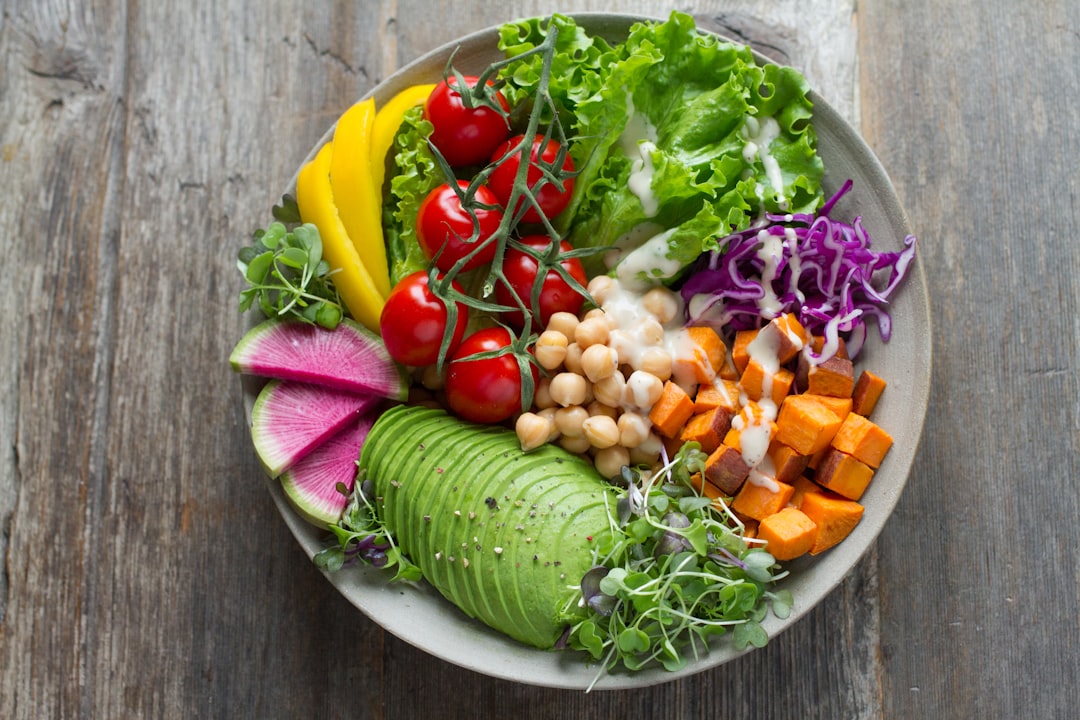
Legumes, including red lentils, chickpeas, split peas, and canned kidney beans, provide a powerful combination of both soluble and insoluble fibres. The Better Health Channel highlights legumes as outstanding sources of soluble fibre. Adding a can of rinsed brown lentils to your spaghetti bolognese is an easy way to boost fibre.
Everyday plant staples such as apples, pears, broccoli, brussels sprouts, flaxseeds, and soy milk offer rich fibre profiles to easily boost daily intake. For instance, soy milk is an unexpected but excellent source of soluble fibre. Swapping your regular milk in your morning tea can contribute to your daily goals.
Fruit and vegetables provide soluble fibre to support a healthy eating pattern, as confirmed by Healthdirect Australia. Keeping the skins on your apples and pears maximises this benefit. Most of the insoluble fibre resides in the outer skin of these fruits.
Other great options include seed husks, flaxseed, and psyllium, which can be easily stirred into smoothies or porridge. The Better Health Channel recommends these as concentrated sources of soluble fibre. Just one tablespoon of ground flaxseed adds a significant dose of nutrition to your breakfast.
How much fibre per day do Australians need?
The National Health and Medical Research Council (NHMRC) sets the Nutrient Reference Values for dietary fibre at 25 grams per day for women and 30 grams per day for men. Adequate dietary fibre intake is essential for maintaining proper gut function and reducing the risk of several chronic diseases. However, most Australians fall short.
An Australian health survey published in Nutrients (2018) revealed that the median daily fibre intake for Australian adults is only 18.2 grams, leaving a substantial nutritional gap. The study showed that mean daily dietary fibre intakes for women generally ranged from 18 to 20 grams, while men averaged around 20 grams.
According to the CSIRO, Australians consume an average of 23 grams of dietary fibre per day, which still sits below optimal targets. The CSIRO recommends a daily intake of 28 to 38 grams for adults to actively promote weight management and bowel health. This highlights a clear need for nutritional adjustment.
To close this gap safely, Dietitians Australia advises increasing your daily plant food intake gradually while drinking plenty of water. If you increase your fibre intake too quickly without enough fluids, you may experience temporary gas, bloating, or abdominal discomfort. Slow and steady is the best approach.
Drinking water is crucial because soluble fibre needs liquid to expand and form its beneficial gel. Aim to add just one extra serving of high-fibre food every few days. This gives your gut microbiome time to adapt to the increased workload without causing digestive distress.
Can lifestyle habits improve gut health?
Healthdirect Australia highlights that eating a highly varied, plant-based eating pattern is one of the most effective ways to build a resilient and diverse gut microbiome. Aiming for 30 different plant foods each week is a fantastic goal. This includes fruits, vegetables, grains, legumes, nuts, and seeds.
Incorporating traditional fermented foods like yoghurt, kefir, sauerkraut, and kimchi introduces beneficial live microbes directly into the digestive tract. These foods act as probiotics. When combined with prebiotic fibres, they create a synergistic effect that supports a thriving, diverse microbial community.
Conversely, a low-fibre, high-fat, and high-protein eating pattern is a primary contributing factor to the depletion of fibre-degrading microbes in modern populations. When we rely heavily on highly processed foods, we starve our beneficial bacteria. This can lead to a less resilient gut ecosystem over time.
Supporting lifestyle factors such as getting 7 to 9 hours of quality sleep, exercising regularly, and limiting highly processed foods further optimises overall gut function. Healthdirect Australia emphasises that managing stress is also vital, as the brain and gut are constantly communicating through the gut-brain axis.
By combining a fibre-rich eating pattern with regular physical activity and adequate rest, you support your digestive system from all angles. Taking care of your gut microbiome is a daily practice. Simple, sustainable choices at the supermarket and in your routine can yield lifelong health benefits.
Related reading
Fibre and Gut Health: Feeding a Healthy Microbiome
Optimise your digestion with our guide to fibre and gut health: feeding a healthy microbiome, featuring practical tips from Australian nutrition experts.
4 min read
Fibre Intake for Gut Health Australia: Daily Guide
Optimise your fibre intake for gut health Australia with evidence-based targets and practical whole food swaps to support daily digestive wellness.
3 min read
Fibre Intake for Gut Health: An Australian Guide
Improve your wellbeing by learning how to optimise fibre intake for gut health Australia with our evidence-based guide to local whole foods and legumes.
6 min read
Soluble Versus Insoluble Fibre: What is the Difference?
Learn the difference between soluble versus insoluble fibre and how to balance both to support your gut health using simple Australian whole foods.
4 min read
Need a hand with the app? How do I sync my weight from Apple Health?
Get the Platify app
Build a meal plan around the foods you already like, log what you eat, and watch your progress. Free to start.
Get the appCitations
- [1]Dietary Fibre Nutrient Reference Values, National Health and Medical Research Council (2014)
- [2]The functionality of fiber: Caring for your gut microbiome, Mayo Clinic Press (2023)
- [3]Fibres and your gut: sorting through the roughage, Dietitians Australia (2022)
- [4]Influence of Diet on the Gut Microbiome and Implications for Human Health, Cell Host & Microbe (2018)
- [5]Gut Health, Better Health Channel (2021)
- [6]Dietary fiber: Essential for a healthy diet, Mayo Clinic (2021)
- [7]Dietary Fibre, Better Health Channel (2020)
- [8]Dietary Fiber and Microbiota-Derived Short-Chain Fatty Acids in Gut Health, Nutrients (2022)
- [9]High-fibre foods and diet, Healthdirect Australia (2023)
- [10]Dietary Fiber Intake in Australia, Nutrients (2018)
- [11]Gut Health, Healthdirect Australia (2023)
- [12]The Impact of Diet on the Gut Microbiome, Nutrients (2022)
- [13]CSIRO Gut Health and Weight Loss Report, CSIRO (2019)
Frequently asked
What is the difference between soluble and insoluble fibre?
Soluble fibre dissolves in water to form a gel-like substance that slows digestion and helps lower blood cholesterol. Insoluble fibre does not dissolve; instead, it adds bulk to stool and helps food pass more quickly through the digestive tract to prevent constipation.
How do prebiotics support the gut microbiome?
Prebiotics act as a direct food source for the beneficial bacteria in your gut. By consuming these specialised plant fibres, you stimulate the growth of healthy microbes, which ferment the fibres to produce health-promoting short-chain fatty acids.
What are the best high fibre foods in Australia?
Excellent high-fibre options available in Australia include whole grains like oats and barley, legumes such as lentils and chickpeas, chia seeds, flaxseeds, and a wide variety of fresh fruits and vegetables.
How much fibre should I eat daily in Australia?
According to the National Health and Medical Research Council (NHMRC), Australian women should aim for at least 25 grams of dietary fibre per day, while Australian men should aim for at least 30 grams daily.
Can a low-fibre eating pattern damage gut bacteria?
Yes. Research indicates that eating patterns low in fibre and high in ultra-processed foods, fats, and proteins can starve beneficial gut microbes, leading to a significant loss of microbial diversity and compromised digestive health.