
Fibre and Gut Health: Feeding a Healthy Microbiome
On this page
- What is the gut microbiome and why does it matter?
- Why does fibre matter for your gut microbiome?
- How much fibre per day Australia?
- What are the best high fibre foods Australia?
- How does fibre support healthy digestion?
- What are prebiotic foods for the gut microbiome?
- How can you improve your overall gut health?
- Practical tips for increasing your fibre intake safely
Feeding your microbiome with dietary fibre is essential for optimal gut health, yet CSIRO data reveals that 83% of Australian adults fail to meet the recommended daily intake. Consuming adequate plant-based fibres directly supports digestion, reduces inflammation, and lowers chronic disease risk.
What is the gut microbiome and why does it matter?
Your gut microbiome is a complex ecosystem of trillions of microorganisms residing in your large intestine. This community of bacteria, fungi, and viruses plays a vital role in digesting food, synthesising vitamins, and regulating your immune system. An imbalance in these microbes, known as dysbiosis, can lead to digestive discomfort and is linked to various systemic health issues.
When your microbiome is balanced, it maintains a strong intestinal barrier and prevents harmful pathogens from taking hold. The most effective way to support this microbial community is through the foods you eat. By providing the right nutrients, you can actively encourage the growth of protective bacterial species.
Why does fibre matter for your gut microbiome?
Dietary fibre consists of non-digestible forms of carbohydrates, typically occurring as complex polysaccharides that originate from plant-based foods. Because the human body lacks the enzymes to break down these complex structures, they pass through the small intestine intact. This process is documented by the National Health and Medical Research Council (NHMRC).
Once fibre reaches the large bowel, it serves as the primary food source for your resident microbes. Dietary fibre is a key component of a healthy eating plan that is broken down by the gut microbiome to support gut health, as highlighted by Dietitians Australia. Without adequate fibre, these beneficial bacteria cannot survive.
During this breakdown process, the human gut microbiota ferments the fibre, which leads to the production of beneficial microbial metabolites. Specifically, this fermentation produces short-chain fatty acids (SCFAs) like butyrate, acetate, and propionate. A 2022 review in ScienceDirect directly links this process to a reduction of systemic inflammation.
Conversely, a low-fibre eating pattern depleted of plant foods contributes to the loss of essential fibre-degrading microbes. Research published in PubMed Central (2022) indicates that modern low-fibre, high-fat, and high-protein eating patterns are primary factors contributing to the permanent depletion of these protective bacterial species in industrialised populations.
How much fibre per day Australia?
To maintain proper digestive function and reduce chronic disease risk, the Australian Nutrient Reference Values recommend a daily dietary fibre intake of at least 25 grams for women and 30 grams for men. Meeting these targets is essential for long-term metabolic and bowel health.
Despite these clear guidelines, the vast majority of Australians do not meet the suggested dietary targets. The CSIRO reports that the average Australian adult currently consumes only 23 grams of dietary fibre per day. This means most Australian adults need to increase their daily intake by at least 30% to meet basic health targets.
This national deficiency is not a new phenomenon. Historical data from the 1995 National Nutrition Survey, published in PubMed Central, showed that the median dietary fibre intake for Australian adults was just 21.1 grams per day. Over the decades, our intake has remained consistently below the level required for optimal microbiome support.
What are the best high fibre foods Australia?
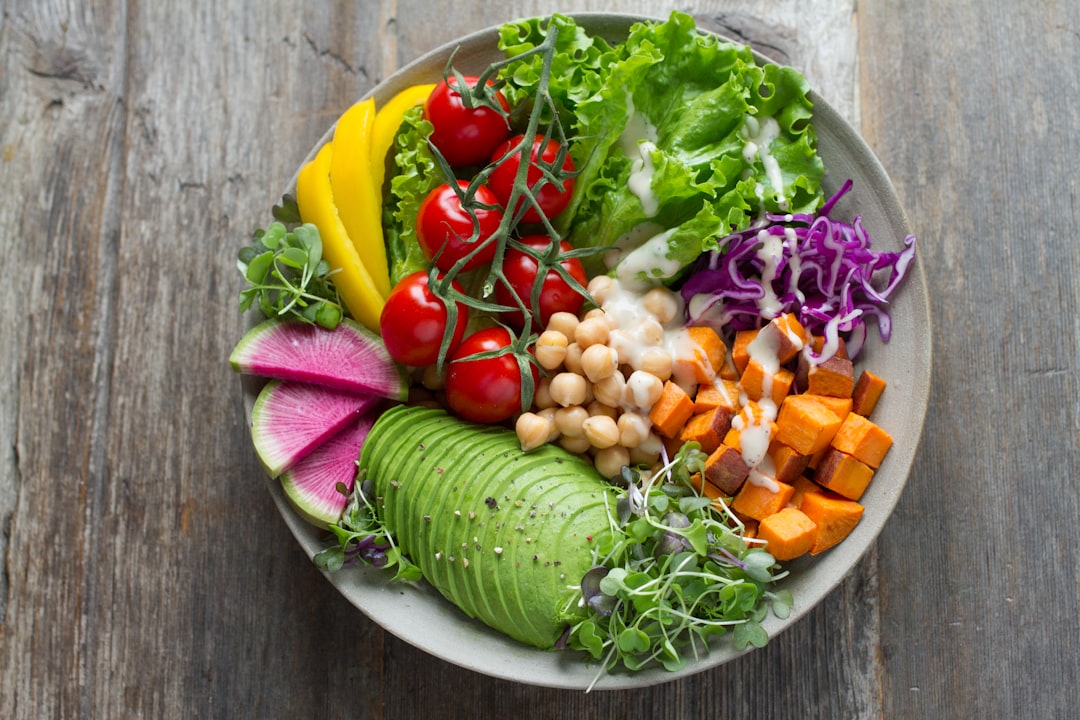
Building a diverse, fibre-rich plate is straightforward with the abundance of whole foods available in Australian supermarkets. Incorporating a variety of plant sources ensures you receive different types of non-digestible carbohydrates to feed a wider range of beneficial microbes.
Wholegrain options provide an excellent, accessible foundation for your daily intake. According to Diabetes Australia, excellent choices include rolled oats, brown rice, barley, quinoa, and wholegrain varieties of cereal, bread, pasta, and crackers. These foods deliver sustained energy alongside essential nutrients.
Legumes are another nutritional powerhouse, offering a unique combination of soluble and insoluble fibres. Healthdirect Australia identifies split peas, lentils, baked beans, and red kidney beans as superb sources that can easily be added to soups, salads, and stews.
For snacks and side dishes, turn to nuts, seeds, and fresh local produce. The Better Health Channel notes that almonds, chia seeds, flaxseeds, and everyday fruits and vegetables are packed with natural fibres that support a resilient microbiome.
How does fibre support healthy digestion?
Dietary fibre is crucial for maintaining a highly functional digestive tract. It is generally classified into two main categories: soluble and insoluble fibre. Each type plays a distinct, complementary role in supporting your bowel health and overall comfort.
Insoluble fibre does not dissolve in water. Instead, it adds bulk to your stool and helps food pass more quickly through the stomach and intestines. This action keeps bowel movements regular and prevents constipation, as documented by the Victoria Government's Better Health Channel.
On the other hand, soluble fibre absorbs water to form a gel-like substance in your digestive tract. This gel slows down digestion, which clinical evidence from the Mayo Clinic shows helps to lower blood cholesterol levels and regulate blood glucose levels.
Beyond daily comfort, a high-fibre eating pattern offers profound long-term protection. Regularly consuming dietary fibre significantly reduces the risk of developing bowel cancer, which remains one of the most common cancers in Australia, according to the Better Health Channel.
What are prebiotic foods for the gut microbiome?
While all prebiotics are fibres, not all fibres are prebiotics. Prebiotics are specific types of non-digestible plant fibres that selectively feed and stimulate the growth of beneficial microorganisms in your gut, rather than feeding harmful microbes. This distinction is highlighted by the Mayo Clinic.
Natural prebiotic compounds are found in many everyday vegetables. According to Harvard Health, foods like garlic, onions, leeks, asparagus, bananas, and seaweed serve as highly effective prebiotic sources that stimulate beneficial Bifidobacteria.
Other excellent prebiotic sources include specific grains and seeds. The Better Health Channel recommends oat bran, barley, flaxseeds, and psyllium husks, which provide the soluble prebiotic fibres needed to produce health-promoting short-chain fatty acids.
Additionally, you can find excellent prebiotic benefits in common pantry staples. Traditional legumes and soy milk are highly accessible sources of soluble prebiotic fibres, as noted by Dietitians Australia, making it easy to support your gut microbes on any budget.
How can you improve your overall gut health?
Optimising your gut health involves more than just focusing on a single nutrient. A holistic approach that combines dietary diversity with positive lifestyle habits will yield the best results for your microbiome and overall wellbeing.
To foster a highly diverse microbial community, Healthdirect Australia recommends eating a highly varied, plant-based eating pattern. Aiming for 30 different plant foods each week—including fruits, vegetables, grains, legumes, nuts, and seeds—provides a wide array of fibres to feed different bacterial species.
In addition to plant variety, incorporating moderate portions of fermented foods can support your digestive system. Foods like yoghurt, kefir, sauerkraut, and kimchi introduce beneficial live microbes to your digestive tract, complementing the prebiotic fibres you consume.
Conversely, it is beneficial to limit highly processed foods that are low in nutritional value. These foods often contain artificial additives and lack the structural fibres required to protect the delicate mucosal lining of your digestive tract, as warned by Healthdirect Australia.
Finally, do not underestimate the power of lifestyle factors. Engaging in regular physical exercise, managing stress, and obtaining adequate sleep are all clinically shown by Healthdirect Australia to support a balanced, thriving, and resilient gut microbiome.
Practical tips for increasing your fibre intake safely
If you are planning to increase your daily fibre intake, the key is to go slowly. Suddenly adding large amounts of fibre to your eating plan can cause temporary gas, bloating, and abdominal cramps as your gut bacteria adjust to the increased workload.
To prevent these symptoms, increase your fibre intake gradually over several weeks. For example, start by adding a spoonful of chia seeds to your morning oats, then add a handful of lentils to your dinner a few days later. This gradual transition allows your digestive system to adapt comfortably.
Equally important is staying well-hydrated. Soluble fibre requires water to form its beneficial gel-like structure. Be sure to drink plenty of water throughout the day to help the fibre pass smoothly through your digestive tract and prevent constipation.
Related reading
Fibre and Gut Health: Feeding a Healthy Microbiome
Optimise your digestion with our eating plan. Learn how fibre and gut health: feeding a healthy microbiome can support your daily wellness goals.
5 min read
Fibre Intake for Gut Health Australia: Daily Guide
Optimise your fibre intake for gut health Australia with evidence-based targets and practical whole food swaps to support daily digestive wellness.
3 min read
Fibre Intake for Gut Health: An Australian Guide
Improve your wellbeing by learning how to optimise fibre intake for gut health Australia with our evidence-based guide to local whole foods and legumes.
6 min read
Soluble Versus Insoluble Fibre: What is the Difference?
Learn the difference between soluble versus insoluble fibre and how to balance both to support your gut health using simple Australian whole foods.
4 min read
Need a hand with the app? How do I sync my weight from Apple Health?
Get the Platify app
Build a meal plan around the foods you already like, log what you eat, and watch your progress. Free to start.
Get the appCitations
- [1]Dietary Fiber and Gut Microbiota, PubMed Central (2020)
- [2]Role of Dietary Fiber in Fermentation, PubMed Central (2022)
- [3]Short-chain fatty acids and systemic inflammation, ScienceDirect (2022)
- [4]Depletion of fibre-degrading microbes in industrialized populations, PubMed Central (2022)
- [5]Nutrient Reference Values: Dietary Fibre, National Health and Medical Research Council (2014)
- [6]Gut Health and Weight Loss Report, CSIRO (2019)
- [7]Dietary fibre intake in Australian adults, PubMed Central (2018)
- [8]Five benefits of fibre plus a one-day sample meal plan, Diabetes Australia (2021)
- [9]High-fibre foods and diet, Healthdirect Australia (2023)
- [10]Dietary fibre, Better Health Channel (2020)
- [11]Gut health, Better Health Channel (2021)
- [12]Dietary fiber: Essential for a healthy diet, Mayo Clinic (2021)
- [13]Fibres and your gut: sorting through roughage, Dietitians Australia (2022)
- [14]Gut health, Healthdirect Australia (2023)
- [15]Feed your gut, Harvard Health (2021)
- [16]Prebiotics: Definition, types, sources, mechanisms, and clinical applications, PubMed Central (2018)
- [17]Probiotics and prebiotics: What you need to know, Mayo Clinic (2022)
Frequently asked
What is the recommended daily fibre intake in Australia?
According to the National Health and Medical Research Council, Australian women should aim for at least 25 grams of fibre per day, while men should aim for 30 grams to support optimal digestive health.
What are the best high fibre foods available in Australia?
Excellent sources include wholegrains like rolled oats and barley, legumes such as lentils and chickpeas, nuts, seeds, and a diverse range of fresh fruits and vegetables from local Australian supermarkets.
How does soluble fibre benefit my health?
Soluble fibre forms a gel in the stomach that slows digestion, which helps lower blood cholesterol, regulates blood glucose levels, and feeds beneficial gut bacteria.
Can eating more fibre reduce the risk of bowel cancer?
Yes. Evidence from the Better Health Channel indicates that consuming a high-fibre eating pattern keeps bowel movements regular and significantly reduces the risk of developing bowel cancer.
What is the difference between fibre and prebiotics?
While all prebiotics are dietary fibres, not all fibres are prebiotics. Prebiotics are specific non-digestible plant fibres that selectively feed and stimulate the growth of beneficial microbes in your gut.